Lemon Garlic Chicken: A Complete Guide to Ingredients, Taste, Calories, and What to Pair It With
Key Takeaways
- Lemon garlic chicken is a Mediterranean-style dish made with chicken breast or thighs, fresh lemon juice, minced garlic, olive oil, and herbs.
- A standard restaurant portion runs 350–550 calories before sides, one of the leaner entrées on most menus.
- The flavor is bright, savory, and aromatic citrus up front, garlic in the middle, herbs in the background.
- Best paired with roasted vegetables, rice pilaf, pasta, or a Greek salad.
- Naturally low-carb, high-protein, and gluten-friendly (confirm the sauce at restaurants).
- Found on menus at Olive Garden, Carrabba’s, Bonefish Grill, The Cheesecake Factory, and most Mediterranean-style restaurants.
Introduction
Lemon garlic chicken is one of those dishes that sits quietly on a menu and outperforms almost everything around it. It looks simple: chicken, lemon, garlic, olive oil, and somehow ends up being the order that gets remembered the next morning. The bright citrus, the sharp garlic, the herbs, and a piece of chicken cooked properly. That’s the whole pitch. And it’s been working in kitchens across Italy, Greece, Spain, and the U.S. for generations.
This guide breaks down what lemon garlic chicken actually is, what goes into it, how it tastes, how many calories it carries, the best sides to order with it, and where to find the best versions at American restaurants. Whether you’re ordering it tonight at Olive Garden or trying to figure out why your home version doesn’t hit the same way, this covers it.
What Is Lemon Garlic Chicken?
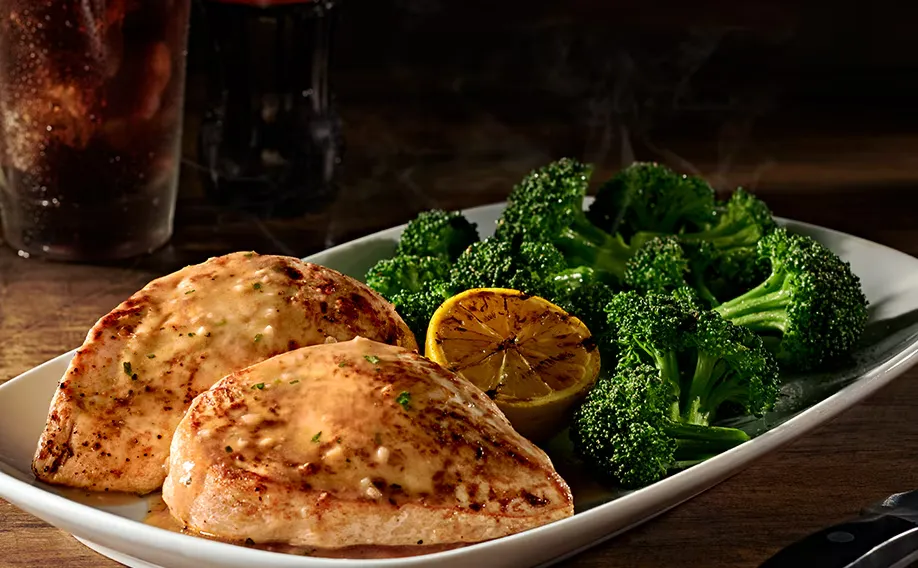
Lemon garlic chicken is a Mediterranean-style dish made by marinating chicken usually boneless skinless breast or thighs in fresh lemon juice, minced garlic, olive oil, and herbs, then grilling, pan-searing, or roasting it. Some versions finish with a butter pan sauce. Others are served with a fresh squeeze of lemon and a sprinkle of parsley.
The dish has roots across multiple Mediterranean cuisines. Italian versions lean on oregano, parsley, and a quick pan sauce of olive oil and lemon. Greek versions use rigani (Greek oregano), lemon zest, and often a heavier garlic dose. Spanish versions sometimes add smoked paprika or sherry. The American restaurant version usually blends Italian and Greek influences into one approachable plate, bright, herb-forward, and not too heavy.
It shows up on menus under different names: lemon garlic chicken, lemon herb chicken, pollo al limone, chicken al limone, Mediterranean grilled chicken. They’re all close cousins of the same dish.
You’ll find it at Olive Garden (Chicken al Limone), Carrabba’s Italian Grill (Pollo Rosa Maria variations and grilled chicken specials), Bonefish Grill, Maggiano’s, and dozens of independent Italian and Greek restaurants. It’s the kind of dish almost every Mediterranean-style menu has, even if it isn’t labeled exactly the same way.
Main Ingredients in Lemon Garlic Chicken
The ingredient list is short, but each piece does specific work.
Chicken. Usually boneless skinless chicken breast for restaurant versions because it cooks evenly and stays lean. Home cooks often prefer chicken thighs; they hold more flavor and stay juicier under high heat. Some recipes use thin chicken cutlets, which cook in 4–5 minutes per side and absorb marinade faster.
Fresh lemon juice. The brightness of the dish. Bottled lemon juice doesn’t work the same way it tastes flat and slightly metallic. Fresh juice plus lemon zest gives both the tang and the floral citrus oil that bottled juice misses.
Garlic. Fresh minced garlic, not powder. Most recipes use 4–6 cloves for a four-serving dish. Garlic powder works as a backup in marinades but doesn’t deliver the same sharp, slightly sweet bite that fresh garlic gives once it hits the pan.
Olive oil. Extra virgin olive oil is standard. It carries the flavor of the marinade into the chicken and helps create a crust during searing.
Fresh herbs. Parsley is almost always there at the end. Oregano, thyme, rosemary, and basil rotate in and out depending on the regional style. Greek versions lean on oregano. Italian versions favor parsley and basil. French-influenced versions reach for thyme.
Butter (optional). Restaurant versions often finish the dish with a pat of butter swirled into a pan sauce. This is what gives lemon garlic chicken at a restaurant that glossy, slightly rich finish you can’t easily replicate at home without it.
Chicken broth or white wine (optional). Used to build the pan sauce. The wine adds acidity, the broth adds depth.
Seasoning. Kosher salt and freshly cracked black pepper. That’s usually enough. Some recipes add a pinch of red pepper flakes or a dash of paprika.
That’s the whole recipe. Eight ingredients or fewer, and the quality of each one shows up in the final plate.
What Lemon Garlic Chicken Tastes Like
The flavor lands in three stages.
First, citrus. You taste the lemon immediately. Bright, slightly tart, sometimes a little floral if the cook uses zest. This is the wake-up note that makes the dish feel fresh instead of heavy.
Then, garlic. A few seconds into the bite, the garlic shows up. Not raw and sharp like in a salad dressing, softer, slightly sweet, almost roasted-tasting because it’s been cooked into the chicken. This is the savory backbone.
Finally, herbs and chicken. Parsley, oregano, or thyme rounds out the finish. The chicken itself stays the star, moist, lightly browned, with a clean, savory taste that the marinade enhances without overpowering.
If there’s a pan sauce, you’ll get a fourth layer of slight richness from butter that smooths out the citrus and ties everything together. That’s the version most restaurants serve.
The texture matters as much as the flavor. A properly cooked piece of lemon garlic chicken has a light golden crust on the outside, juicy meat in the center, and enough sauce or moisture to keep it from feeling dry. Done wrong, it goes one of two ways: too dry (overcooked chicken breast) or too sour (too much raw lemon, not enough cooking time to mellow it).
Done right, it’s one of the most balanced chicken dishes on any menu.
Calories and Nutrition
Lemon garlic chicken is one of the cleanest entrées at most restaurants. The numbers shift based on portion size and whether there’s a butter sauce on top, but the general range:
| Nutrient | Approx. per serving (6 oz cooked chicken) |
|---|---|
| Calories | 350 – 550 |
| Total fat | 14 – 26 g |
| Saturated fat | 3 – 8 g |
| Carbohydrates | 2 – 8 g |
| Protein | 38 – 50 g |
| Sodium | 600 – 1,100 mg |
| Fiber | 0 – 1 g |
| Sugar | 1 – 3 g |
A few notes on these numbers:
Protein is the headline. A standard restaurant portion hits 40+ grams of protein, similar to a steak entrée but with significantly less saturated fat.
Carbs are nearly zero on the chicken itself, which is why lemon garlic chicken is a go-to order for keto, low-carb, and high-protein diets. Sides are where carbs come in.
Sodium runs moderate to high depending on how heavily the kitchen seasons the marinade. Pan sauces with broth push sodium up further.
Fat depends on cooking method. Grilled lemon garlic chicken is the leanest version. Pan-seared with butter sauce adds 80–150 calories per serving. Roasted chicken thighs run higher in fat but stay juicier.
Heart-healthy credentials. The American Heart Association and Mayo Clinic both recommend olive oil, lean poultry, and citrus as part of a heart-healthy eating pattern. Lemon garlic chicken checks all three boxes.
It’s one of the few entrées you can order at almost any American restaurant without feeling like you compromised your diet.
Why People Love Lemon Garlic Chicken
It hits a balance most dishes don’t. Light enough to feel clean, flavorful enough to feel like a real meal.
It’s familiar but not boring. Chicken with lemon and garlic is one of those flavor combinations almost every culture has its own version of. Greek, Italian, Spanish, French, Lebanese, Moroccan. People recognize it immediately and trust it.
It works year-round. Bright citrus and herbs make it feel like a summer dish, but the savory garlic and golden sear give it weight enough to work in winter too. Few entrées translate across seasons this well.
It’s diet-friendly without feeling like diet food. Low-carb, high-protein, gluten-friendly, and naturally rich enough that people on restrictive eating plans don’t feel deprived.
It pairs with almost anything. Pasta, rice, vegetables, salad, potatoes, lemon garlic chicken sits comfortably next to all of them. That makes it one of the most flexible entrées on a menu.
It’s hard to mess up at a decent restaurant. Steakhouses, Italian places, and Mediterranean spots all run it as a reliable menu item because the technique is forgiving.
For diners who don’t want to overthink an order, lemon garlic chicken is the safe pick that almost never disappoints.
Best Side Dishes for Lemon Garlic Chicken
The chicken is light and acid-forward, so the best sides either match that brightness or add a comforting starchy base. Heavy, creamy sides can clash with the lemon; pick carefully.
Best Mediterranean-style sides
- Greek salad with feta, cucumber, tomato, olives, and red onion. Crisp and acidic matches the lemon.
- Roasted vegetables. Zucchini, bell peppers, eggplant, cherry tomatoes. Charred edges work beautifully with the citrus.
- Lemon rice pilaf. Doubles down on the citrus and soaks up any pan sauce.
- Tabbouleh. Bulgur, parsley, mint, lemon, tomato. Already in the same flavor family.
- Roasted baby potatoes with olive oil and herbs.
- Grilled asparagus with a squeeze of lemon.
- Orzo with herbs classic Mediterranean pairing.
Italian-style sides
- Angel hair pasta with olive oil and parsley. The sauce from the chicken doubles as pasta sauce.
- Garlic mashed potatoes (lean light on the butter).
- Caprese salad with fresh mozzarella and tomato.
- Sautéed spinach with garlic and olive oil.
Skip these
- Mac and cheese fight the citrus.
- Heavy cream sauces overwhelm the dish.
- Sweet glazed vegetables clash with the savory garlic.
- Onion-heavy sides compete with the garlic.
Best drink pairings
- Sauvignon Blanc. The classic. Crisp, citrusy, herbal matches every note in the dish.
- Pinot Grigio. Lighter and cleaner, especially for grilled versions.
- Unoaked Chardonnay. Works if the dish has a butter sauce.
- Dry rosé. Pairs well in summer.
- Light red Pinot Noir. Only if you prefer red. Skip heavier reds, they bury the lemon.
- Beer: pilsner, light lager, or wheat beer. Refreshing and clean.
- Non-alcoholic sparkling water with lemon, iced green tea, and lemonade. All work.
Variations and Popular Versions
Lemon garlic chicken shows up in different forms depending on the cuisine and the restaurant. Here are the versions worth knowing.
Italian Chicken al Limone
Thin chicken cutlets, pan-seared, finished with a butter-lemon pan sauce. The version Olive Garden built into a signature dish.
Greek Kotopoulo Lemonato
Whole roasted chicken or thighs marinated in lemon, garlic, oregano, and olive oil, often slow-roasted with potatoes underneath.
Spanish Pollo al Ají
Garlic-forward chicken pieces sautéed in olive oil with white wine or sherry, lemon, and parsley.
French-style Lemon Garlic Chicken
Often roasted with thyme and finished with a butter-lemon pan sauce. Sometimes called poulet au citron.
Lemon Garlic Butter Chicken (American steakhouse style)
Pan-seared chicken breast topped with a heavy lemon-garlic-butter sauce. Common at chains like LongHorn and Texas Roadhouse.
Grilled Mediterranean Lemon Chicken
Marinated and grilled, often served over couscous, rice, or salad. The go-to lunch order at fast-casual Mediterranean spots.
Sheet-Pan Lemon Garlic Chicken
A home-cook favorite. Chicken thighs roasted on one pan with vegetables, lemon slices, and herbs. The internet’s most-shared weeknight chicken recipe for the last several years.
Slow Cooker Lemon Garlic Chicken
Easier home version. Chicken cooks low and slow in lemon, garlic, broth, and herbs. Texture comes out closer to braised chicken.
Lemon Garlic Chicken Pasta
The chicken is sliced over linguine or angel hair, dressed in the same lemon-garlic-butter sauce. Olive Garden, Carrabba’s, and most casual Italian chains run a version.
How to Order Lemon Garlic Chicken at Restaurants
A few tips that make the meal noticeably better.
Ask if it’s grilled, pan-seared, or roasted. All three are good, but they deliver different things. Grilled is the leanest. Pan-seared with butter sauce is the richest. Roasted is the juiciest.
Ask about the lemon level. Some kitchens go light, some go heavy. If you like a brighter dish, ask for an extra lemon wedge on the side.
Confirm it’s gluten-friendly. The chicken itself usually is, but pan sauces sometimes use flour as a thickener. Always ask if you have celiac disease.
Order with two sides. One starch (rice, potatoes, pasta) and one vegetable (asparagus, broccoli, roasted veg) is the balanced move.
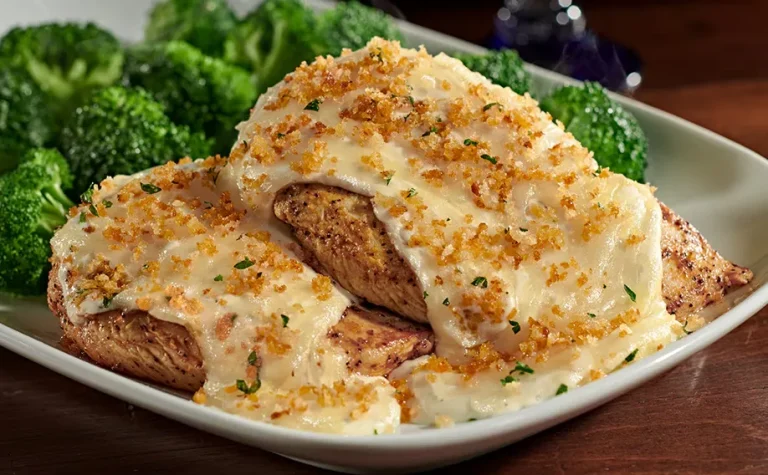
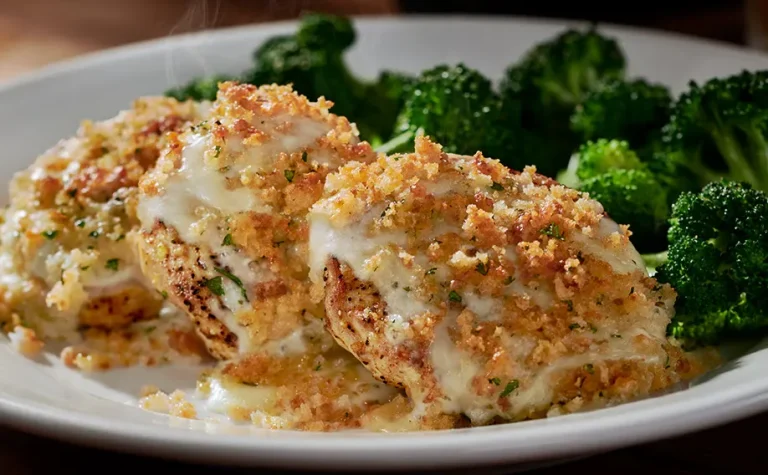
Skip the breaded version. Some restaurants serve a “lemon garlic chicken” that’s actually breaded chicken with a lemon-garlic sauce on top. That’s a different dish and runs 200+ calories higher. If you want the cleaner version, ask for grilled.
Ask for extra parsley or fresh herbs on top. Most kitchens will add them, and they sharpen the dish.
Pair it with a salad starter, not bread. Lemon garlic chicken is best as a clean meal. Filling up on bread first makes the dish feel less satisfying.
Pro Tips from Regulars
- The pan sauce is the whole dish at most Italian restaurants. Ask for extra sauce on the side and use it as a dip for vegetables or bread.
- At Olive Garden, the Chicken Al Limone is the closest thing to a classic Italian version. Pair with their soup and salad combo for a near-perfect meal.
- At Carrabba’s, ask for the chicken to be finished with a squeeze of fresh lemon at the table.
- At Mediterranean fast-casual spots, lemon garlic chicken over a salad bowl with hummus is one of the best lunch combos in the U.S. under $15.
How to Make Lemon Garlic Chicken at Home
The restaurant-quality home version takes 30 minutes if you skip the long marinade, 2–4 hours if you marinate properly. Here’s the simplest version that consistently works.
You’ll need
- 4 boneless skinless chicken breasts (or thighs)
- 4 tablespoons fresh lemon juice (about 2 lemons)
- 1 tablespoon lemon zest
- 6 garlic cloves, minced
- 1/4 cup extra virgin olive oil
- 2 tablespoons unsalted butter
- 1/4 cup chicken broth
- 1 teaspoon dried oregano (or 2 teaspoons fresh)
- 1/2 cup fresh parsley, chopped
- Kosher salt and freshly ground black pepper
The method
- Pound the chicken thin (about 1/2 inch thick) for even cooking.
- Marinate in lemon juice, half the garlic, olive oil, salt, pepper, and oregano for 30 minutes to 4 hours. Don’t go longer than 4 hours, or acid will start to “cook” the chicken and turn the texture rubbery.
- Heat a cast iron skillet over medium-high heat. Add a splash of olive oil.
- Sear the chicken 4–6 minutes per side until golden brown and 165°F internal temperature.
- Remove the chicken, lower the heat, add butter, the remaining garlic, chicken broth, lemon zest, and a final squeeze of lemon juice.
- Simmer the sauce for 1–2 minutes, scraping up the browned bits from the pan.
- Return the chicken to the pan, spoon the sauce over the top, and finish with fresh parsley.
The whole thing takes about 25 minutes of active cooking. Serve over rice, pasta, or a salad. This is the same technique used at most Italian restaurants for chicken al limone; the only difference is they use slightly more butter.
Frequently Asked Questions About Lemon Garlic Chicken
Is lemon garlic chicken healthy?
Yes. It’s one of the leanest entrées at most restaurants high in protein, low in carbs, and naturally aligned with Mediterranean-style eating patterns the American Heart Association recommends. The healthiness depends on the cooking method (grilled is leanest) and how much butter is in the sauce.
How many calories are in lemon garlic chicken?
A standard 6-ounce restaurant portion runs 350–550 calories, before sides. Grilled versions land on the lower end; butter-sauce versions on the higher end.
Is lemon garlic chicken gluten-free?
The chicken itself usually is, but pan sauces sometimes use flour as a thickener. Always confirm with the restaurant if you have celiac disease.
What’s the best cut of chicken for lemon garlic chicken?
Boneless skinless chicken breast is the most common at restaurants because it’s lean and cooks evenly. Chicken thighs are juicier and more flavorful at home. Thin cutlets are the fastest to cook.
How long should you marinate chicken in lemon and garlic?
30 minutes to 4 hours. Anything longer than 4 hours risks the citric acid breaking down the meat texture and turning it mushy.
What herbs go best with lemon garlic chicken?
Parsley, oregano, thyme, rosemary, and basil all work. Italian versions favor parsley and oregano. Greek versions lean heavily on oregano. French-style uses thyme.
Can you make lemon garlic chicken without butter?
Yes. Pan-sear or grill in olive oil, then finish with a fresh squeeze of lemon and chopped parsley. The result is lighter and more Mediterranean-style.
What sides go with lemon garlic chicken?
Rice pilaf, roasted vegetables, Greek salad, orzo, mashed potatoes, asparagus, or a simple green salad. Avoid heavy cream-based sides, they fight the citrus.
Which restaurant has the best lemon garlic chicken?
Olive Garden’s Chicken al Limone is the most popular American chain version. Carrabba’s and Bonefish Grill also run strong versions. For independent restaurants, any Greek or Italian spot usually has a version worth ordering.
Can lemon garlic chicken be made ahead?
Yes. Cooked chicken keeps for 3 days in the fridge. Reheat gently in a covered pan with a splash of broth to keep it juicy. Don’t microwave for too long, it dries out fast.
Conclusion
Lemon garlic chicken is the cleanest, most reliable order on any Mediterranean or Italian menu. Bright lemon, sharp garlic, fresh herbs, and a properly cooked piece of chicken, that’s the whole formula, and it works almost everywhere it’s served. Order it grilled if you want it lean, pan-seared with butter sauce if you want it rich, and pair it with rice or roasted vegetables for the balanced version. At 350–550 calories with 40+ grams of protein, it’s one of the best diet-friendly entrées on an American menu and one of the few that diners look forward to ordering twice in the same week.
Related LongHorn Guides
LongHorn Salmon: Price, Calories, Taste & What to Order With It · Longhorn Baby Back Ribs: Price, Calories, Sauces & Other · Longhorn Chop Steak: What It Is, How It Tastes & Price