LongHorn Fresh Steamed Asparagus: The Side That Actually Earns Its Spot
Quick Facts
| Detail | Info |
|---|---|
| Restaurant | LongHorn Steakhouse |
| Parent Company | Darden Restaurants |
| Menu Category | Signature Vegetable Side |
| Base | Fresh green asparagus spears |
| Cooking Method | Steamed to tender-crisp |
| Key Flavors | Whipped butter, sea salt, black pepper |
| Average Calories | ~120 per serving |
| Typical Price | $4.99 – $5.99 |
| Best Paired With | Grilled Salmon, Flo’s Filet, Shrimp Scampi |
| Key Allergens | Dairy (butter) |
Introduction
Steakhouse vegetable sides have a bad reputation, and most of the time, they earn it. You order the green vegetable because you feel guilty about the steak, and what shows up is a small pile of limp, overcooked broccoli with a pat of butter sliding off the top. By the end of the meal, you’ve barely touched it.
LongHorn’s Fresh Steamed Asparagus is the rare exception. The spears arrive bright green, slightly crisp, and actually seasoned. The butter melts cleanly without drowning the vegetable. The salt is restrained. The cook is right somewhere between tender and crisp, the way good asparagus should be.
If you’ve been ordering the loaded baked potato every time because the vegetable side at most steakhouses isn’t worth the plate space, this guide is going to change that. Here’s what’s in it, how it tastes, what it pairs with, and how it stacks up against every other side on the LongHorn menu.
Key Takeaways
- What it is: Fresh green asparagus spears, steamed to tender-crisp and finished with whipped butter, salt, and pepper.
- Calories: ~120 per serving, one of the lightest sides on the menu.
- Price: Usually $4.99–$5.99, depending on location.
- Best for: Diners watching calories, pairing with seafood, or balancing a heavy steak entrée.
- Skip if: You’re not a fan of asparagus texture or want a heartier side.
- Pro tip: Ask for a lemon wedge on the side; it elevates the dish more than any other free addition.
What Is LongHorn Fresh Steamed Asparagus?
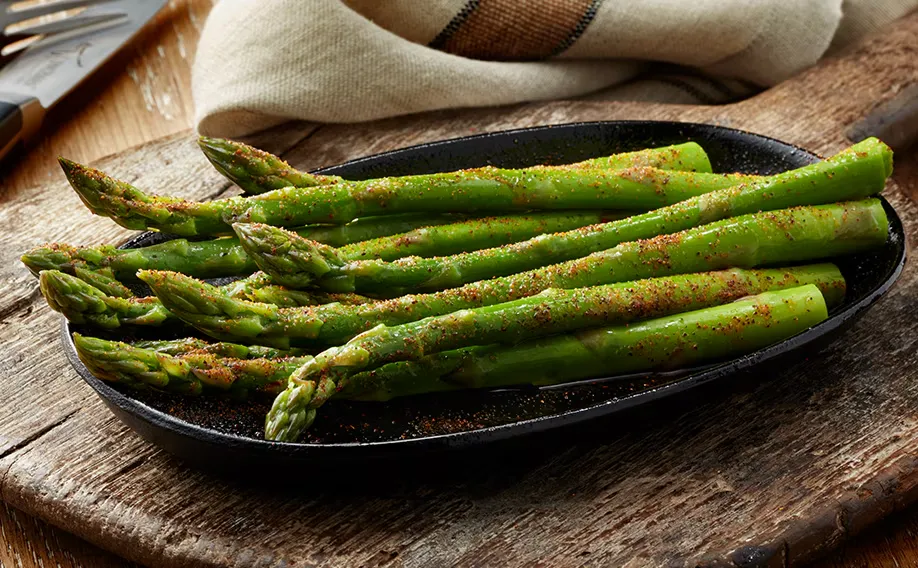
LongHorn Fresh Steamed Asparagus is a side dish made from fresh, whole asparagus spears, steamed in-house until tender-crisp and finished with whipped butter, sea salt, and cracked black pepper. The spears are served whole, usually arranged neatly across the plate or alongside the entrée.
The cooking method matters. Steaming is faster than boiling and gentler than roasting. It preserves the bright green color, locks in the vitamins, and leaves the spears with a slight bite instead of turning them into mush. Most chain restaurants overcook asparagus into a gray-green pile of fibers. LongHorn doesn’t.
The seasoning is restrained on purpose. Asparagus has a strong, distinctive flavor that doesn’t need help from heavy sauces or cheese coatings. The butter adds richness. The salt brings out the natural earthiness. The pepper finishes it. That’s the entire seasoning approach, and it works.
This is a side dish for diners who want the vegetable to actually taste like the vegetable.
Main Ingredients in LongHorn Asparagus
The ingredient list is short, and that’s exactly the point.
- Fresh green asparagus spears. Medium-thickness spears, usually 6 to 8 per serving. Trimmed of woody ends before cooking.
- Whipped butter. The same whipped butter LongHorn uses across its sides. Melts cleanly over hot spears.
- Sea salt. Light hand. Enough to bring out the natural flavor without dominating.
- Cracked black pepper. A finishing touch, visible flecks across the spears.
That’s the entire build. No cheese, no breadcrumbs, no heavy glazes. Asparagus done plainly, the way most professional kitchens prefer it.
A few LongHorn locations will add a brush of olive oil instead of butter on request, and some kitchens include a lemon wedge or a light dusting of garlic powder. None of these are guaranteed, so ask your server if you want a variation.
Taste and Flavor Profile
The first impression is clean. There’s no heavy sauce, no overpowering seasoning, no aggressive flavor that competes with the rest of the plate. Just asparagus tasting like asparagus.
The spears land at the tender-crisp texture that asparagus is supposed to have. There’s a slight snap when you bite through them, then they give way to a tender interior. No mushiness, no stringy fibers. The butter coats the spears in a thin, glossy layer that melts as you eat. The salt is present but restrained; it amplifies the asparagus flavor instead of covering it.
Flavor-wise, asparagus has a natural earthy, slightly grassy taste that some diners love and others find too strong. If you grew up not liking asparagus, this version probably won’t change your mind, it’s not trying to disguise the vegetable. If you like asparagus, this is exactly how you want it done.
The pepper finishes the dish with a subtle warmth that builds slightly across bites. It’s not spicy, just present.
Nutritional Information
This is where the asparagus earns its reputation as one of the smartest sides on the LongHorn menu. The numbers are genuinely impressive.
| Nutrient | Approximate Amount | % Daily Value (FDA) |
|---|---|---|
| Calories | 120 | 6% |
| Total Fat | 7 g | 9% |
| Saturated Fat | 4 g | 20% |
| Carbohydrates | 9 g | 3% |
| Sugars | 3 g | – |
| Protein | 4 g | 8% |
| Sodium | 280 mg | 12% |
| Fiber | 4 g | 14% |
| Vitamin K | 70% DV | – |
| Folate | 35% DV | – |
| Vitamin C | 12% DV | – |
| Vitamin A | 18% DV | – |
A few things worth pointing out.
Calorie-wise, this is one of the lowest substantial sides on the menu. Only the steamed broccoli comes in lighter. For diners watching intake on a heavy steak meal, this side delivers real nutrition without adding much to the calorie load.
The vitamin and mineral profile is the standout. Asparagus is one of the densest sources of vitamin K and folate in the American diet, both important for blood health, energy metabolism, and cell function. A single serving covers 70% of the daily value for vitamin K, which most diners don’t get enough of.
Sodium is moderate at 280 mg, mostly from the salt finish. Lower than the mashed potatoes (720 mg) and rice pilaf (540 mg).
Carbs land at 9 grams, with only 3 grams of sugar. This makes the asparagus one of the few legitimately keto-friendly sides at LongHorn.
Fiber comes in at 4 grams of solid for a small portion. Most of this is prebiotic fiber that supports gut health.
Why Asparagus Is Worth Eating
Setting LongHorn aside for a second, asparagus is one of the most nutrient-dense vegetables you can eat. The bright green spears are packed with vitamin K (essential for blood clotting and bone health), folate (critical for cell production), vitamin C, and vitamin A. They also contain glutathione, a powerful antioxidant linked to immune function and reduced inflammation.
The fiber in asparagus is particularly valuable. A meaningful portion is inulin, a type of prebiotic fiber that feeds beneficial gut bacteria and supports digestive health. This is why asparagus shows up so often on lists of foods recommended for gut health and weight management.
Asparagus is also naturally low in calories and carbs, making it one of the rare vegetables that works for nearly every modern diet: keto, paleo, low-carb, gluten-free, vegan (when prepared without butter), Mediterranean. That broad compatibility is part of why it’s become a steakhouse staple.
Allergen and Dietary Info
| Diet / Allergen | Compatible? | Notes |
|---|---|---|
| Gluten-Free | ✅ | No wheat or gluten in standard build |
| Vegetarian | ✅ | No meat or animal byproducts beyond butter |
| Vegan | ⚠️ Modify | Ask for olive oil instead of butter |
| Dairy-Free | ⚠️ Modify | Skip butter; some locations offer olive oil |
| Nut-Free | ✅ | No nuts |
| Keto | ✅ | Low carb, moderate fat |
| Low-Carb | ✅ | Just 9g carbs |
| Low-Sugar | ✅ | Only 3g sugar |
| Diabetic-Friendly | ✅ | Excellent low-glycemic side |
| Paleo | ⚠️ Modify | Ask for olive oil instead of dairy butter |
| Whole30 | ⚠️ Modify | Skip butter; request olive oil only |
The asparagus is one of the most diet-friendly sides at LongHorn. With a simple swap from butter to olive oil, it accommodates almost every restrictive eating plan diners follow.
Why People Love LongHorn Asparagus
A few reasons keep regulars ordering this side instead of the obvious starches.
It actually tastes like asparagus. That sounds obvious, but most chain restaurants overcook the vegetable until it loses all character. LongHorn keeps the texture and flavor intact. If you like asparagus to begin with, this is one of the most satisfying ways to eat it at a restaurant.
It balances the meal. Steakhouse meals lean heavy fatty cuts, rich sauces, buttery sides. The asparagus is one of the few sides that genuinely lightens the plate. After a few bites of ribeye, a bite of bright, slightly bitter asparagus resets the palate.
It works for almost every diet at the table. Gluten-free, keto, low-carb, diabetic-friendly, even vegan with a small swap. Few sides at LongHorn check this many boxes.
And it photographs well, which sounds trivial but matters in 2026. Diners taking pictures of their steak entrée notice that the asparagus adds color to the plate. The bright green spears are visually appealing in a way that a beige scoop of mashed potatoes isn’t.
How Longhorn Asparagus Compares to Other Sides
Here’s how the asparagus stacks up against the rest of the LongHorn side menu:
| Side Dish | Calories | Carbs | Sodium | Fat | Best For |
|---|---|---|---|---|---|
| Fresh Steamed Asparagus | 120 | 9 g | 280 mg | 7 g | Lightest substantial vegetable |
| Steamed Broccoli | 80 | 12 g | 220 mg | 1 g | Lowest calorie overall |
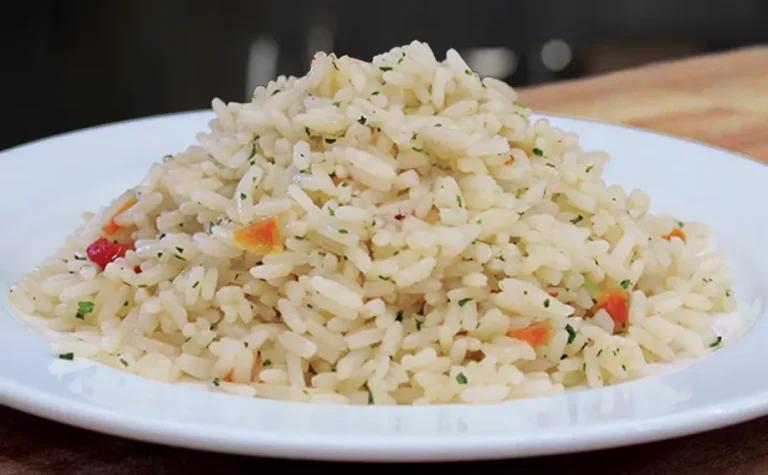
| Seasoned Rice Pilaf | 230 | 35 g | 540 mg | 7 g | Lighter starch option |
| Sweet Potato (plain) | 310 | 49 g | 105 mg | 11 g | Vitamin A boost |
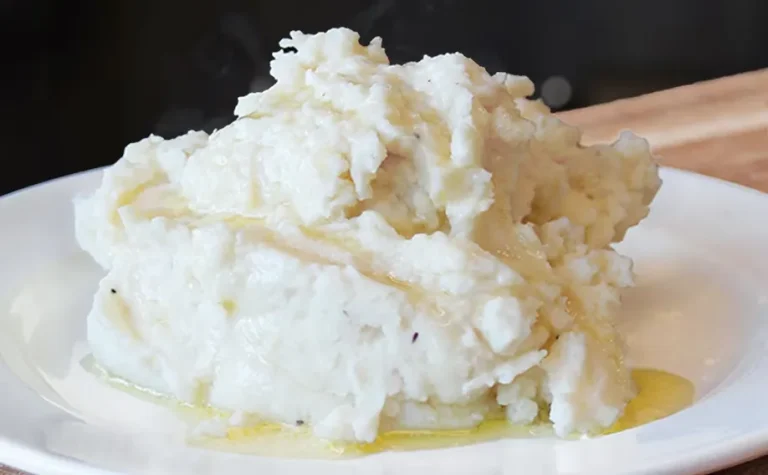
| Mashed Potatoes | 330 | 36 g | 720 mg | 16 g | Classic comfort food |
| Loaded Baked Potato | 580 | 62 g | 850 mg | 28 g | Heaviest indulgence |
| Mac and Cheese | 530 | 45 g | 920 mg | 28 g | Most indulgent |
| Caesar Side Salad | 240 | 12 g | 520 mg | 18 g | Lighter starch alternative |
Verdict: Among substantial sides, only the steamed broccoli beats the asparagus on calories. The asparagus wins on vitamin density, it’s the most nutrient-rich side on the entire menu.
Best LongHorn Side by Diet Goal
If you’re picking a side based on a specific dietary need:
| Diet Goal | Best Pick | Why |
|---|---|---|
| Lowest Calories | Steamed Broccoli | Just 80 calories |
| Best Nutritional Density | Fresh Steamed Asparagus | Highest vitamin K and folate |
| Best for Keto | Fresh Steamed Asparagus | Low carb, moderate fat |
| Best for Diabetics | Fresh Steamed Asparagus | Low glycemic, high fiber |
| Best for Weight Loss | Asparagus or Broccoli | Both under 130 calories |
| Best for High Vitamin Intake | Asparagus or Sweet Potato | Different vitamin profiles |
| Best Pairing with Heavy Steak | Asparagus | Cuts through fat without competing |
The asparagus wins or ties in nearly every health-focused category. Steamed broccoli is the only side that competes with it across the board.
What to Pair It With
Asparagus pairs especially well with seafood and lean proteins. Here’s how it works with the main LongHorn entrées:
| Entrée | Pairing Strength | Why It Works |
|---|---|---|
| Grilled Salmon | ⭐⭐⭐⭐⭐ | The classic pairing of salmon and asparagus are a French standard |
| Flo’s Filet | ⭐⭐⭐⭐⭐ | Lean cut, light side perfectly balanced plate |
| Shrimp Scampi | ⭐⭐⭐⭐⭐ | Garlic butter and asparagus complement each other |
| Parmesan Crusted Chicken | ⭐⭐⭐⭐ | Cuts through the richness of the cheese topping |
| Renegade Sirloin | ⭐⭐⭐⭐ | Classic steak-and-greens combination |
| Outlaw Ribeye | ⭐⭐⭐⭐ | Asparagus resets the palate between fatty bites |
| Baby Back Ribs | ⭐⭐⭐ | Works, but the smoky BBQ slightly overwhelms |
| Crispy Chicken Tenders | ⭐⭐⭐ | Decent contrast, but salad is a better fit |
The strongest pairings are with seafood and lean steaks. The asparagus brings brightness and acidity that complement those proteins better than potatoes or rice ever could.
Hidden Hacks From LongHorn Regulars
A few moves that don’t appear on the menu but show up in how repeat diners order:
- Ask for a lemon wedge on the side. A squeeze of lemon transforms the dish. It’s free at most locations.
- Request olive oil instead of butter. Available at most LongHorn locations, makes the asparagus dairy-free and slightly lighter.
- Order it under the steak. A few regulars ask for the asparagus to be placed beneath the steak so the meat juices drip onto the spears.
- Get extra cracked pepper at the table. Fresh-cracked pepper at the table is more aromatic than the kitchen pepper.
- Pair with Parmesan crust crumbs. If you’re ordering Parmesan Crusted Chicken or a steak with Parmesan Crust, scrape a few crumbs onto the asparagus. The cheese and asparagus combination is excellent.
Steamed Asparagus vs Steamed Broccoli: Which to Order?
These are the two lightest sides at LongHorn. They serve slightly different roles on the plate.
| Factor | Steamed Asparagus | Steamed Broccoli |
|---|---|---|
| Calories | 120 | 80 |
| Carbs | 9 g | 12 g |
| Fiber | 4 g | 5 g |
| Vitamin K | 70% DV | 220% DV |
| Folate | 35% DV | 15% DV |
| Vitamin C | 12% DV | 90% DV |
| Texture | Tender-crisp spears | Tender florets |
| Best Paired With | Seafood, lean steaks | Heavy steaks, cheesy entrées |
| Price | $4.99–$5.99 | $3.99–$4.99 |
Verdict: Broccoli wins on lowest calories and highest vitamin C. Asparagus wins on folate, presentation, and pairing with seafood. If you’re choosing between the two, pick based on the entrée. Seafood and lean steaks get asparagus, fattier entrées get broccoli.
How It Compares to Other Steakhouse Asparagus
A few chain steakhouses offer asparagus as a side. Here’s how LongHorn stacks up:
| Asparagus | Restaurant | Calories | Price | Standout Feature |
|---|---|---|---|---|
| Fresh Steamed Asparagus | LongHorn Steakhouse | ~120 | $4.99–$5.99 | Tender-crisp, well-seasoned |
| Grilled Asparagus | Outback Steakhouse | ~150 | $5.49 | Grilled with char marks |
| Fresh Vegetable of the Day | Texas Roadhouse | ~110 | $3.99 | Often asparagus, varies by day |
| Grilled Asparagus | Ruth’s Chris | ~220 | $13.00 | Premium portion, premium price |
| Asparagus | Bonefish Grill | ~140 | $5.99 | Lemon butter finish |
LongHorn lands in a competitive position. Texas Roadhouse beats it on price but isn’t always serving asparagus. Outback grills instead of steams, which is a different texture. Ruth’s Chris delivers a premium experience at a premium price. For a chain steakhouse with asparagus done right at a fair price, LongHorn is one of the better picks.
Tips Before Ordering
A few small choices make this side better.
Ask for it tender-crisp, not soft
If you want extra confidence in the texture, request “tender-crisp” or “slightly crisp.” Most kitchens steam in batches, so a quick word with your server can help you get a fresher batch.
Always grab the lemon
Even if it’s not offered, ask for a lemon wedge. The acid brightens the dish more than any other free addition on the menu.
Pair with a heavier entrée
Asparagus is at its best when balanced on a rich plate. A ribeye with asparagus feels lighter than a ribeye with mashed potatoes, even though both are valid combinations.
Eat it hot
Asparagus cools faster than most sides. The texture is best within the first 8 to 10 minutes of arrival.
Don’t drown it in steak sauce
A1 or steak sauce overwhelms the natural asparagus flavor. Save the sauce for the steak.
For diners building a balanced plate, the asparagus pairs especially well with sides like LongHorn’s Seasoned Rice Pilaf or as a second side alongside a Sweet Potato.
Common Mistakes When Ordering
- Letting it sit too long. Asparagus loses its texture as it cools. Eat it while hot.
- Skipping the lemon. It’s the single best free upgrade.
- Pairing with too many other vegetables. Asparagus + salad + broccoli is vegetable overkill. Pick one substantial vegetable side and pair it with a starch or protein-rich second side.
- Ordering when you don’t like asparagus to begin with. This isn’t a dish that tries to hide the vegetable. If you don’t like asparagus, the steamed broccoli is the better light side.
- Forgetting to ask about olive oil. If you want it dairy-free or lighter, the swap is easy but not automatic.
Taking It Home: How to Store and Reheat
Asparagus is one of the trickier sides to take home. The texture suffers more during storage than most vegetables.
Storage: Transfer to an airtight container within two hours. Refrigerate. Good for 2 to 3 days, though best within 24 hours.
Best reheat method: Quick sauté in a pan with a teaspoon of butter or olive oil over medium-high heat for 90 seconds. The high heat refreshes the texture instead of making the spears more limp.
Microwave method: Honestly, skip it. Microwaving asparagus is the fastest way to ruin it. The texture goes from tender-crisp to fibrous and rubbery.
Reuse ideas: Chop cold leftover asparagus into a frittata or omelet for breakfast. It’s also excellent diced into a grain bowl, added to pasta with butter and parmesan, or chopped into a cold salad with feta and olive oil.
Is It Worth Ordering? The Verdict
Yes, especially if you actually like asparagus. The LongHorn Fresh Steamed Asparagus is a genuinely well-executed vegetable side that earns its place on the menu through nutrition density, presentation, and pairing versatility. At under 130 calories, it’s one of the smartest picks for diners watching intake. For seafood, lean steaks, or any meal where the entrée is the heavy lift, this side adds balance without competing.
The only reasons to skip are personal preference (you don’t like asparagus) or budget (it’s slightly pricier than the broccoli for similar calorie load).
Frequently Asked Questions
What is in LongHorn Fresh Steamed Asparagus?
The dish is made from fresh whole green asparagus spears, steamed until tender-crisp and finished with whipped butter, sea salt, and cracked black pepper. The seasoning is intentionally restrained to let the asparagus flavor lead.
How many calories are in LongHorn asparagus?
A standard serving is approximately 120 calories, with 7 grams of fat and 9 grams of carbohydrates. It’s one of the lightest substantial sides on the LongHorn menu.
Is LongHorn asparagus healthy?
Yes. It’s one of the most nutrient-dense sides on the menu, delivering 70% of the daily value for vitamin K, 35% for folate, and meaningful amounts of vitamin A and vitamin C. It’s also high in fiber and low in carbs.
Is LongHorn asparagus gluten-free?
Yes. The standard build contains no wheat or gluten. Confirm with your server about shared kitchen equipment if you have celiac disease or a serious gluten sensitivity.
Is LongHorn asparagus keto-friendly?
Yes. At 9 grams of carbs per serving and 4 grams of fiber, the net carb count is around 5 grams. The whipped butter adds fat, making it a strong keto pick.
Is LongHorn asparagus vegan?
Not by default. The whipped butter contains dairy. Most LongHorn locations will substitute olive oil if you ask, which makes it vegan-friendly.
How much does LongHorn asparagus cost?
Prices range from $4.99 to $5.99, depending on location. It’s slightly pricier than the steamed broccoli but in line with most other premium vegetable sides at LongHorn.
Can I order LongHorn asparagus to go?
Yes, but the texture is best when eaten fresh. If you do take it home, reheat by quickly sautéing in butter or olive oil; never microwave it.
How do I reheat LongHorn asparagus?
The best method is a quick sauté in a pan with butter or olive oil over medium-high heat for about 90 seconds. Avoid the microwave, it turns the texture rubbery.
Does LongHorn steam or grill their asparagus?
LongHorn steams the asparagus, which preserves the bright green color, tender-crisp texture, and natural flavor. Some other chain steakhouses grill their asparagus for a different, more charred effect.
What’s the best entrée to pair with LongHorn asparagus?
Grilled Salmon, Flo’s Filet, and Shrimp Scampi are the strongest pairings. Asparagus brings out the best in seafood and lean proteins.
Which is healthier, asparagus or broccoli at LongHorn?
Both are excellent low-calorie picks. Broccoli wins on lowest calories (80 vs 120) and highest vitamin C. Asparagus wins on highest folate and overall pairing versatility with seafood and lean cuts.
Can I get extra lemon with my asparagus?
Yes, most LongHorn locations will provide a lemon wedge or two at no extra charge. A squeeze of lemon is the single best free upgrade to this side.
Is LongHorn asparagus high in sodium?
No. At around 280 mg per serving, it’s one of the lower-sodium sides on the menu. Most of the sodium comes from the finishing salt.
Conclusion
LongHorn Fresh Steamed Asparagus is the kind of side that quietly outperforms expectations. It doesn’t try to be loaded, indulgent, or covered in cheese it just delivers fresh, well-cooked vegetables that actually taste the way they should. For diners pairing with seafood, lean steaks, or any meal that needs balance against a heavy entrée, this is one of the smartest picks on the LongHorn menu.
It’s also the side that proves you don’t have to choose between health and flavor at a steakhouse. At under 130 calories, with one of the most impressive vitamin profiles on the entire menu, it earns its place next to anything you order. Next time you’re at LongHorn, give the asparagus a fair shot especially if you usually skip the green side. You might find it’s the best decision you make at the table.
Related LongHorn Guides
LongHorn Great Steak Additions: Toppings, Prices & Guide · LongHorn Mashed Potatoes: Ingredients, Calories & Price · LongHorn Seasoned Rice Pilaf: Ingredients, Calories & Other Guide