Seasoned French Fries: The Side Dish That Stole the Show
Introduction
Seasoned French fries are what happen when a kitchen decides plain fries aren’t enough. A dusting of paprika, garlic, salt, and a few secret ingredients turns a basic side into something people order on purpose sometimes, instead of the burger it came with. Whether it’s the bright red Checkers/Rally’s version, the Cajun kick of a Popeyes fry, or the rosemary-and-sea-salt finish at a gastropub, seasoned fries punch above their weight every time.
In this guide, you’ll learn what’s actually in the seasoning, how each style tastes, what they cost in calories, what major U.S. chains charge for them, and what to dip them in. By the end, you’ll know whether the seasoned fries on the menu in front of you are worth the upgrade from plain and which version to order.
Quick Takeaway: Seasoned French Fries at a Glance
- What they are: Fried potatoes coated in a savory spice blend, either before or after frying.
- How they taste: Salty, smoky, garlicky, sometimes with heat. Way more flavor than plain fries.
- Average calories: 320–550 per medium restaurant order, depending on cut and seasoning.
- Most common seasoning base: Paprika, garlic powder, onion powder, salt, and pepper.
- Best dip: Fry sauce, garlic aioli, or ranch. Ketchup works but doesn’t add anything.
- Average U.S. restaurant price: $3.49–$5.99 per order.
- Most famous version: Checkers/Rally’s famous seasoned fries.
What Are Seasoned French Fries?
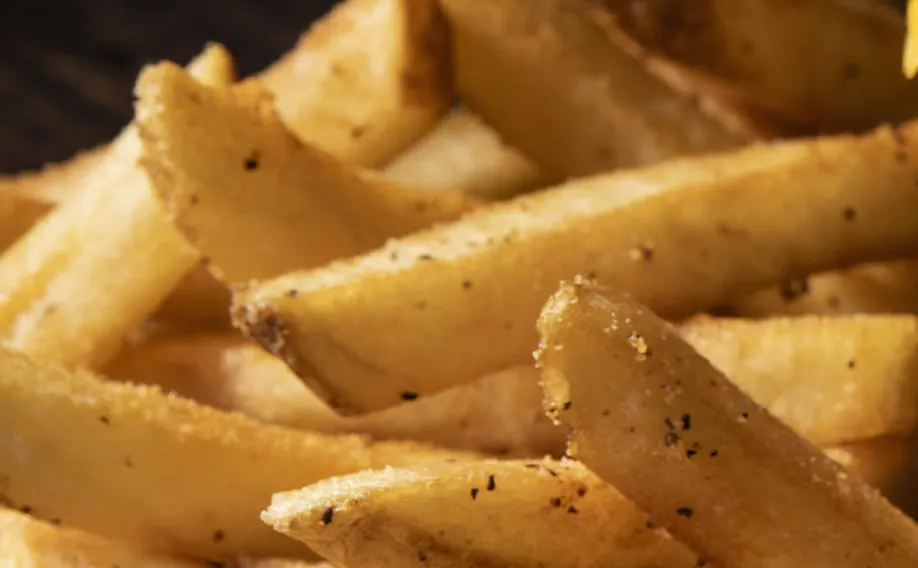
Seasoned French fries are fried potatoes that get a spice blend added either to the batter, the oil, or as a finishing dust right out of the fryer. Plain fries get salt. Seasoned fries get a full mix usually paprika, garlic powder, onion powder, salt, pepper, and sometimes cayenne, sugar, or MSG. The result is a fry that delivers flavor before you even reach for the ketchup.
Restaurants do it three ways. Some toss the cut potatoes in seasoning before frying so the spices bond to the surface. Some add seasoning to a batter coating so the crust holds more flavor. Most just dust them while they’re still hot and oily, so the seasoning sticks to the outside. Checkers and Rally’s are famous for using a battered, pre-seasoned fry that comes out bright red-orange.
Seasoned fries have been on American menus since the 1980s, but they exploded in the 2000s when fast food chains started using them as a differentiator. Today, almost every major chain has its own version, and seasoned fries are the default at a lot of fast-casual and gastropub spots.
Main Ingredients in Seasoned French Fries
The base is short. The seasoning is where the personality lives.
Core ingredients
- Russet potatoes (most common), sometimes Yukon Gold
- Frying oil peanut oil, canola, vegetable blend, or beef tallow
- Salt
Common seasoning blend ingredients
- Paprika and smoked paprika
- Garlic powder
- Onion powder
- Black pepper
- Cayenne pepper
- Chili powder
- Celery salt
- Sugar (small amount, helps browning)
- MSG (in some commercial blends)
- Cornstarch (helps the seasoning stick)
- Dried herbs (oregano, thyme, parsley)
Common finishing toppings
- Grated parmesan cheese
- Fresh chopped parsley
- Truffle oil
- Garlic butter
- Cajun seasoning blends (Tony Chachere’s, Slap Ya Mama)
- Old Bay seasoning
- Tajín or chili-lime seasoning
- Lawry’s seasoned salt
- Crushed red pepper
A kitchen that takes it seriously will season the fries the second they hit the basket while they’re still glossy with oil. That oil acts like glue and holds the seasoning on the fry. Season cold fries and the spice falls right off.
Seasoned vs. Plain vs. Loaded Fries: What’s the Difference?
Same potato, three very different orders. Here’s how they actually compare.
| Type | Texture | Flavor | Calories (medium) | Best For |
|---|---|---|---|---|
| Plain Fries | Crispy outside, fluffy inside | Salty, neutral | 320–420 | Pairing with strongly flavored mains |
| Seasoned Fries | Crispy with grippy seasoning | Salty, savory, sometimes spicy | 380–500 | Eating on their own with dip |
| Loaded Fries | Soft from toppings | Cheesy, meaty, heavy | 800–1400 | A full meal in side form |
Plain fries are the blank canvas. Seasoned fries are the upgrade you don’t have to commit to a full meal for. Loaded fries are basically a dinner masquerading as a side.
Popular Seasoning Styles: A Side-by-Side
Not all seasoned fries taste the same. The U.S. has at least six major seasoning styles you’ll see on menus:
| Style | Flavor Profile | Heat | Where You’ll Find It |
|---|---|---|---|
| Classic Seasoned (Checkers/Rally’s style) | Paprika, garlic, savory | Mild | Fast food, drive-thrus |
| Cajun | Garlic, paprika, cayenne, oregano | Medium-Hot | Popeyes, Bojangles, Cajun spots |
| Garlic Parmesan | Garlic, butter, sharp cheese | None | Gastropubs, sports bars |
| Old Bay | Celery salt, paprika, mustard, herbs | Mild | East Coast spots, seafood joints |
| Chili Lime / Tajín | Citrus, mild heat, salt | Mild-Medium | Tex-Mex, modern fast-casual |
| Truffle Parmesan | Earthy, rich, savory | None | Gastropubs, upscale burger joints |
The classic seasoned style is the most kid-friendly and the most universally liked. Cajun has the most heat. Truffle parmesan is the most expensive and divides people; you either love truffle oil or you don’t.
Taste and Flavor Profile
The first thing that hits you with seasoned fries is salt, but it’s not just salt. There’s depth behind it. Paprika brings a sweet, smoky warmth. Garlic and onion powder add the savory umami punch. A touch of cayenne or chili powder builds slow heat in the back of your mouth. The seasoning hits before the potato even registers.
The texture is the same as any good fry, crispy outside, fluffy inside, but the seasoning gives every bite a textured grip. You can feel the spice rub against your tongue. Plain fries are smooth. Seasoned fries have edges.
The seasoning style changes the personality
- Classic seasoned → savory, slightly smoky, very salty
- Cajun → spicy, herby, warm finish
- Garlic parmesan → rich, sharp, savory with cheese pull
- Old Bay → briny, celery-forward, slightly tangy
- Chili lime → bright, citrusy, mild heat
- Truffle parmesan → earthy, mushroomy, indulgent
If your seasoned fries taste only salty and nothing else, the kitchen used a cheap blend or didn’t season them while they were hot. Good seasoned fries should hit you with at least three flavors before you reach for the dip.
Nutritional Information
The numbers depend heavily on cut, oil, and serving size. A medium restaurant order runs about 110 to 170 grams. Here’s the typical range:
| Nutrient | Classic Seasoned | Cajun Seasoned | Garlic Parmesan | Truffle Parmesan |
|---|---|---|---|---|
| Calories | 380–480 | 400–500 | 450–550 | 500–650 |
| Total Fat | 18–24g | 19–26g | 24–32g | 28–38g |
| Saturated Fat | 3–5g | 3–5g | 6–9g | 8–11g |
| Carbohydrates | 45–55g | 45–55g | 44–54g | 44–54g |
| Sugar | 0–1g | 0–1g | 0–1g | 0–1g |
| Fiber | 4–6g | 4–6g | 4–6g | 4–6g |
| Protein | 5–7g | 5–7g | 8–11g | 8–11g |
| Sodium | 700–1100mg | 800–1300mg | 900–1300mg | 800–1100mg |
The potato itself is a decent source of potassium, vitamin C, and complex carbohydrates. The frying oil and the seasoning blend are what push the numbers. Sodium is the real issue; a medium order of Cajun fries can hit half your daily sodium intake. If you’re tracking, ask for the seasoning on the side or split an order.
Plain potatoes are naturally gluten-free, but some seasoning blends and shared fryers can introduce cross-contamination. Always ask if you have celiac.
How They Compare to Other Fast Food Sides
Trying to pick the better side at a fast-food or burger joint? Here’s how seasoned fries actually stack up:
| Side | Calories | Protein | Fiber | Verdict |
|---|---|---|---|---|
| Seasoned Fries (medium) | 380–500 | 5–7g | 4–6g | ✅ Decent fiber for a fried side |
| Plain Fries (medium) | 320–420 | 4–6g | 3–5g | ⚠️ Less flavor, slightly lower cal |
| Onion Rings | 450–600 | 6g | 3g | ❌ Higher calories, less fiber |
| Tater Tots | 350–450 | 4g | 3g | ⚠️ Comparable to fries |
| Mozzarella Sticks | 550–750 | 22g | 1g | ❌ Calorie bomb |
| Side Salad (w/ dressing) | 200–350 | 4g | 3g | ✅ Lighter option |
| Coleslaw | 250–350 | 1g | 2g | ⚠️ Hidden sugar |
| Loaded Fries | 800–1400 | 20g | 5g | ❌ Full meal in a side |
Seasoned fries land in a reasonable middle ground. They’re not the lightest side, but they beat onion rings and mozzarella sticks on calories and fiber, and they taste better than coleslaw.
Why People Love Seasoned French Fries
A few real reasons seasoned fries have stuck around for forty years and aren’t going anywhere:
They don’t need a dip. Plain fries beg for ketchup. Seasoned fries can stand alone. That’s a flavor win.
They taste expensive without being expensive. A $4 order of seasoned fries hits like a $9 truffle plate at a nicer spot, especially if the seasoning is good.
They survive the bag better. Plain fries go soft and sad in a drive-thru bag. Seasoned fries hold their flavor even when the crisp fades.
Every bite is different. Seasoning doesn’t distribute evenly. Some fries get a heavy hit, some get less. That variety keeps you reaching for the next one.
They’re nostalgic. Checkers/Rally’s, Arby’s curly fries, Popeyes Cajun fries, these are flavors people grew up on. That memory hit sells.
Best Dips and Drink Pairings
Seasoned fries pair differently from plain fries because the seasoning already does most of the flavor work.
Best dips
- Fry sauce (mayo + ketchup + spices) is the universal best dip for seasoned fries
- Garlic aioli doubles down on garlic if the fries already have it
- Ranch dressing cools down Cajun or spicy versions
- Chipotle mayo adds smoky heat to classic seasoned
- Honey mustard sweet-tangy contrast to savory seasoning
- Cheese sauce for Cajun or classic seasoned, not for truffle
- Ketchup works, but redundant with most seasoning blends
Best mains to pair them with
- Burgers, especially smashburgers
- Fried chicken sandwiches
- BBQ pulled pork
- Hot dogs and brats
- Buffalo wings
- Fish sandwiches
Best drinks to order with them
- Beer: A crisp Pilsner or American lager to cut through the salt. IPA for garlic parmesan or truffle versions.
- Cocktails: A bourbon-and-Coke or an Old Fashioned with classic seasonings. A margarita with chili-lime.
- Non-alcoholic: Lemonade or sweet tea for Southern-style Cajun fries. A vanilla milkshake for classic seasoned it’s a 60-year-old combo and still works.
Variations and Popular Restaurant Versions
Almost every American chain has a seasoned fry on the menu. Here’s what’s actually out there right now:
| Restaurant | Dish Name / Style | Cut | Avg. Price |
|---|---|---|---|
| Checkers / Rally’s | Famous Seasoned Fries | Battered straight cut | $3.49–$4.49 |
| Arby’s | Curly Fries | Seasoned curly | $3.49–$4.49 |
| Popeyes | Cajun Fries | Battered straight cut | $3.99–$4.99 |
| Bojangles | Seasoned Fries | Cajun-style straight cut | $3.49–$4.49 |
| Wendy’s | Seasoned Potatoes (limited) | Hot Honey or Garlic Fries | $3.99–$5.49 |
| Five Guys | Cajun Fries | Hand-cut, seasoned | $5.99–$7.99 |
| Cane’s | Crinkle-Cut Fries (lightly seasoned) | Crinkle cut | $2.99–$3.99 |
| Zaxby’s | Seasoned Fries | Crinkle cut | $3.49–$4.49 |
Prices reflect typical 2026 menu pricing in the U.S. and vary by location.
Beyond the chains, here are the seasoned fry styles you’ll see across American menus:
- Classic Seasoned Fries the default. Paprika, garlic, salt. Universal appeal.
- Cajun Fries are heat-forward with herbs. Popeyes and Five Guys made this style mainstream.
- Garlic Parmesan Fries gastropub favorite. Tossed in melted garlic butter and fresh parmesan.
- Truffle Parmesan Fries the upscale version. Drizzle of truffle oil, shaved parmesan, chopped parsley.
- Old Bay Fries East Coast staple. Common at seafood spots from Maryland to Florida.
- Curly Seasoned Fries: Arby’s owns this category. The seasoning sits in every curve.
- Waffle Fries Seasoned Chick-fil-A’s plain waffle fries are the default, but a lot of imitators season theirs.
- Crinkle Cut Seasoned Zaxby’s and Cane ’s-style. The ridges hold seasoning well.
- Hot Honey Fries a 2024–2025 trend. Drizzled with hot honey and finished with chili flakes.
- Loaded Seasoned Fries topped with cheese, bacon, and ranch. A full meal in a side.
How to Tell If Your Seasoned Fries Are Done Right
Not all seasoned fries are equal. Here’s a quick checklist for a properly cooked order:
- Color: Golden to deep amber, with visible seasoning. Pale fries mean undercooked oil. Dark brown means burnt.
- Crispiness: The exterior should crunch on the first bite. If they bend like noodles, the oil was too cool.
- Seasoning coverage: Visible specks on every fry, not just the ones on top. If only the top layer is seasoned, the kitchen got lazy.
- Salt balance: Should taste savory, not just salty. If salt is the only flavor, the seasoning blend was cheap.
- Oil saturation: Fries should not glisten with pooled oil at the bottom of the basket. That means the oil was old or too cool.
- Temperature: Hot enough to steam when you split one open.
If your order fails three or more of these, it’s the kitchen, not the recipe.
Tips Before Ordering Seasoned French Fries
A few things worth knowing before you decide:
Ask about the heat level. Cajun fries vary wildly by chain. Popeyes is hotter than Bojangles. Five Guys is somewhere in between.
Check for cross-contamination if you have celiac. Even plain potatoes are gluten-free, but shared fryers and some seasoning blends can introduce wheat.
Ask if they’re freshly seasoned. Some chains pre-season the batter, which means every fry tastes the same. Others season after frying, which is fresher but uneven.
Order them hot. Seasoned fries lose their charm cold. The salt feels heavier, the seasoning tastes muddy.
Watch the sodium. A medium Cajun fry can hit 1,300mg of sodium. That’s over half your daily intake.
They reheat poorly. Like all fries, leftovers turn into sad cardboard. Order what you’ll eat in one sitting.
Bigger isn’t always better. Five Guys’ “regular” fry is basically a large at most chains. Plan accordingly.
Frequently Asked Questions
What is the seasoning on Checkers/Rally’s famous seasoned fries?
The exact recipe is proprietary, but the seasoning blend is built on paprika, garlic powder, onion powder, salt, and a hint of cayenne. The bright red-orange color comes from the paprika in the batter coating, which is applied before frying.
Are seasoned fries healthier than regular fries?
Not really. They have slightly more sodium because of the seasoning, but the calorie and fat counts are almost identical to plain fries. The big difference is flavor, not nutrition.
Are seasoned fries gluten-free?
Sometimes. Potatoes are gluten-free, but many fast food chains use shared fryers that also cook breaded items. Some seasoning blends include wheat-based ingredients. Always ask if you have celiac.
How do restaurants make their seasoned fries so flavorful?
Two things: they season the fries while they’re still hot and oily, so the seasoning sticks, and they use commercial spice blends that contain MSG or natural flavor enhancers. Home cooks can get close by tossing fresh fries with a paprika-garlic-onion-salt mix the second they leave the oil.
Are Cajun fries spicy?
Mild to medium-hot, depending on the chain. Popeyes is the spiciest mainstream option. Five Guys is moderate. Bojangles is milder than people expect.
Can I order seasoned fries plain?
At most chains, yes, but you’ll usually get them without the signature flavor that makes them worth ordering. If you don’t want seasoning, just order regular fries.
What’s the best dip for seasoned fries?
Fry sauce (mayo + ketchup + spices) is the universal best dip. Ranch works for Cajun. Garlic aioli works for classic seasoned. Ketchup is fine but doesn’t add anything new.
How long do seasoned fries stay crispy?
About 5–7 minutes after they leave the fryer. After that, the steam from the inside softens the crust. This is why they don’t survive delivery well.
What’s the difference between seasoned fries and dirty fries?
Seasoned fries have a spice rub or a seasoning blend. Dirty fries (a UK and Australian term) are topped with sauces, cheese, and meats closer to American loaded fries than to seasoned ones.
Conclusion
Seasoned French fries are proof that one extra step can change a side dish from forgettable to crave-worthy. The right blend of paprika, garlic, onion, and salt can take a fry from “I guess I’ll eat them” to “I’d come back for these alone.” Whether it’s the bright orange-red Checkers version, the Cajun kick of Popeyes, or a garlic parmesan plate at a gastropub, the seasoning is what earns the upgrade.
If you’re choosing between plain and seasoned, go seasoned every time. Order them fresh, eat them hot, and skip the ketchup if the seasoning is doing its job. That’s the whole point.
Related LongHorn Guides
LongHorn Fresh Steamed Asparagus: Calories, Pairings & Guide · LongHorn Great Steak Additions: Toppings, Prices & Guide · LongHorn Mashed Potatoes: Ingredients, Calories & Price