Fresh Steamed Broccoli: The Side Dish That Earns Its Spot Without Trying
Introduction
Fresh steamed broccoli is one of the few sides on an American restaurant menu that doesn’t have to apologize for being healthy. It’s the order that fits anywhere next to a steak, alongside grilled salmon, under a chicken breast, or on a plate by itself when you’re trying to eat lighter. Done right, it’s bright green, tender-crisp, and finished with butter, garlic, lemon, or just a sprinkle of salt that lets the vegetable do the talking.
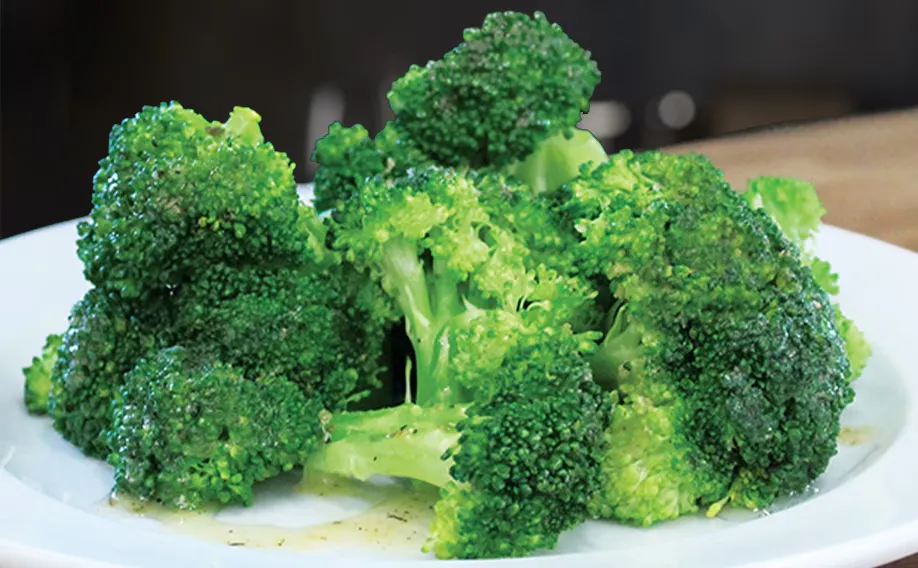
In this guide, you’ll learn what’s actually in a typical order, how it tastes, what it costs in calories, what major U.S. chains charge for it, and what to pair it with. By the end, you’ll know whether the steamed broccoli on the menu in front of you is the side worth ordering or the one to skip.
Quick Takeaway: Fresh Steamed Broccoli at a Glance
- What it is: Whole broccoli florets cooked over boiling water until bright green and tender-crisp.
- How it tastes: Mildly sweet, grassy, with a little crunch when cooked right. Bitter if overcooked.
- Average calories: 50–180 per restaurant portion, depending on butter and toppings.
- Most common finishing: Butter, salt, and pepper. Garlic and lemon on the next tier.
- Best pairing: Grilled steak, salmon, chicken, or a Sauvignon Blanc.
- Average U.S. restaurant price: $3.99–$6.99 per side.
- Why it matters: One of the lowest-calorie, highest-nutrient sides on any American menu.
What Is Fresh Steamed Broccoli?
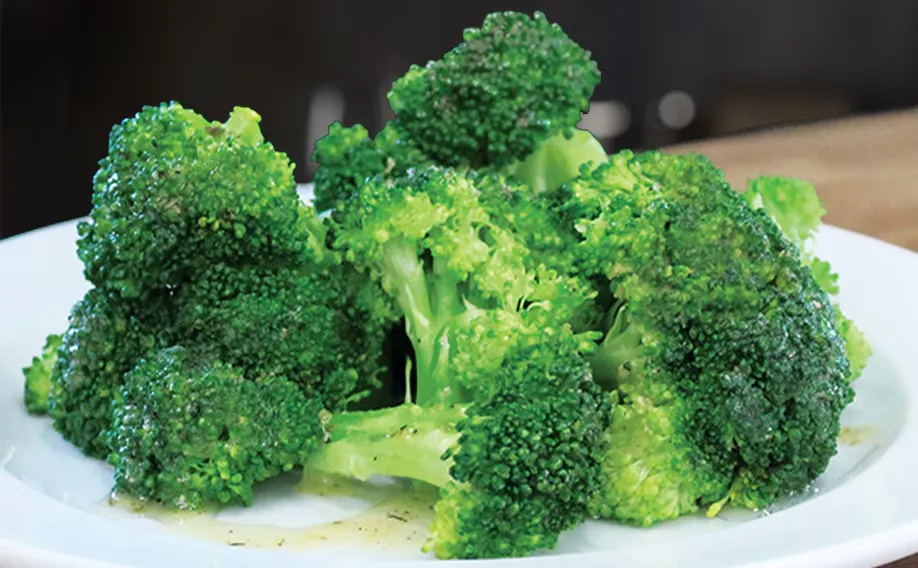
Fresh steamed broccoli is whole broccoli florets cooked over boiling water, not in it, until the color brightens to a vivid green and the texture turns tender-crisp. The keyword is steamed, not boiled. Boiling drowns the broccoli in water, washes out flavor, and leaves it limp. Steaming uses just the water vapor to cook through the florets while the broccoli sits above the waterline in a basket or perforated pan.
Restaurants do it three ways. The classic method is a basket steamer over a pot of simmering water for 3–5 minutes. Some kitchens blanch it in salted boiling water for 90 seconds, then shock it in ice water and reheat to order that locks in the green color and gives consistent results during a busy dinner rush. The fastest method is a quick blast in a steam oven, which is what most chains use because it scales.
After steaming, it gets a finish. Plain restaurants do butter, salt, and pepper. Better ones add minced garlic, a squeeze of lemon, or grated parmesan. The fancy versions go in with toasted almonds, chili flakes, or a drizzle of garlic-infused olive oil.
Broccoli has been on American menus since the 1920s but didn’t become a default steakhouse side until the 1980s, when high-protein dining trends pushed chains to offer something lighter next to a 16-oz ribeye. It’s been there ever since.
Main Ingredients in Fresh Steamed Broccoli
The base is genuinely short. The finishing is where each restaurant decides how seriously to take it.
Core ingredients
- Fresh broccoli florets (sometimes with short stem attached)
- Water for steaming
- Kosher salt
Common finishing touches
- Salted butter or compound butter
- Olive oil or extra virgin olive oil
- Fresh garlic or garlic powder
- Lemon juice and zest
- Cracked black pepper
- Grated parmesan cheese
- Red pepper flakes
- Toasted sliced almonds
- Fresh chopped parsley
- Sea salt flakes for finishing
- Asiago or pecorino cheese
- Lemon-pepper seasoning
A kitchen that takes it seriously will hit the broccoli with butter and a pinch of finishing salt the moment it leaves the steamer. That timing matters, broccoli loses heat fast, and the butter only melts properly while it’s still steaming. Cold-buttered broccoli is one of the saddest plates in American dining.
Steamed vs. Roasted vs. Sautéed Broccoli: What’s the Difference?
Same vegetable, three very different results. Here’s how they actually compare.
| Method | Texture | Flavor | Calories (per cup) | Best For |
|---|---|---|---|---|
| Steamed | Tender-crisp, bright green | Mildly sweet, grassy | 50–100 | Health-focused sides, light meals |
| Roasted | Crispy edges, soft interior | Caramelized, nutty | 90–160 | Flavor-forward sides, gastropubs |
| Sautéed | Slight char, tender inside | Garlicky, savory | 110–180 | Italian and Asian-style menus |
Steamed wins on calories and color. Roasted wins on flavor depth from the Maillard reaction. Sautéed splits the difference and adds garlic punch. Most American chains stick to steamed because it scales easily and pairs cleanly with almost any main.
Why Restaurant Broccoli Tastes Better Than Home Broccoli
There’s a real reason most people think restaurant broccoli is better. Kitchens do four things home cooks usually skip:
| Step | What They Do | Why It Matters |
|---|---|---|
| 1. Salt the water | Heavy salting of the steaming or blanching water | Seasons the broccoli from the inside |
| 2. Time it tight | 3–5 minutes max, then pull | Locks in green color, avoids mushy texture |
| 3. Shock it (sometimes) | Plunge into ice water after blanching | Stops the cooking, keeps the color vibrant |
| 4. Finish hot with fat | Toss in butter or oil right out of the steamer | Carries flavor and gives it a glossy coat |
Home cooks usually skip step 1 and overshoot step 2 by two or three minutes. That’s why home broccoli often tastes flat, gray, and sad. The cooking method matters less than the timing and the salt.
Taste and Flavor Profile
The first thing that hits you with properly steamed broccoli is the snap. The florets should crunch slightly under your teeth before the inside gives. The flavor itself is mild, grassy, slightly sweet, with a hint of earthiness from the stems. It’s not loud the way roasted broccoli is, and that’s a feature, not a bug. Steamed broccoli is meant to support the main, not compete with it.
The texture is the second thing. Done right, the florets are tender enough to fork through but still firm enough to bite. Overcooked broccoli goes mushy and starts releasing the sulfur compounds that give it that gray cafeteria smell. Undercooked broccoli is fine, just tougher to chew.
The finishing changes the personality
- Butter and salt → clean, classic, comforting
- Garlic butter → savory, restaurant-style, the most popular upgrade
- Lemon butter → bright, fresh, pairs with fish
- Parmesan → sharp, nutty, makes it feel more indulgent
- Almond and butter (broccoli amandine) → French-style, nutty, slightly sweet
- Red pepper flakes → adds heat without changing the base flavor
If your broccoli tastes bitter or smells like sulfur, it was overcooked. Properly steamed broccoli should never have that cabbage-y, off-putting aroma that’s the same sulfur problem that ruins boiled Brussels sprouts.
Nutritional Information
The numbers swing based on how much butter or oil is added. A standard restaurant side portion runs about 130 to 180 grams. Here’s the typical range:
| Nutrient | Plain Steamed | With Butter | With Garlic Butter + Parmesan |
|---|---|---|---|
| Calories | 50–70 | 130–170 | 200–260 |
| Total Fat | 0–1g | 11–14g | 16–20g |
| Saturated Fat | 0g | 7–9g | 10–12g |
| Carbohydrates | 8–12g | 8–12g | 9–14g |
| Sugar | 2–3g | 2–3g | 2–3g |
| Fiber | 4–6g | 4–6g | 4–6g |
| Protein | 4–6g | 4–6g | 7–10g |
| Sodium | 30–60mg | 200–400mg | 400–700mg |
Broccoli is one of the most nutrient-dense vegetables you can put on a plate. A single cup provides more vitamin C than an orange, plus high levels of vitamin K, folate, and fiber. It’s loaded with sulforaphane and glucoraphanin antioxidants from the cruciferous vegetable family that have been studied for their role in supporting cellular health. The stem contains as much fiber as the florets, so don’t toss it. Broccoli is also naturally gluten-free, low-calorie, and one of the cleanest sides you can order at any American restaurant.
If you’re watching saturated fat or sodium, ask for the broccoli with the butter on the side. Most kitchens will do it without a fuss.
How Steamed Broccoli Compares to Other Healthy Sides
Trying to pick the lightest side at a steakhouse or chain restaurant? Here’s how steamed broccoli actually stacks up:
| Side Dish | Calories | Protein | Fiber | Verdict |
|---|---|---|---|---|
| Steamed Broccoli (plain) | 50–70 | 4–6g | 4–6g | ✅✅ Best option |
| Steamed Broccoli (butter) | 130–170 | 4–6g | 4–6g | ✅ Still light |
| Side Salad (light dressing) | 150–250 | 3g | 3g | ✅ Comparable |
| Steamed Vegetables Medley | 80–140 | 4g | 5g | ✅ Solid choice |
| Grilled Asparagus | 100–160 | 5g | 4g | ✅ Great option |
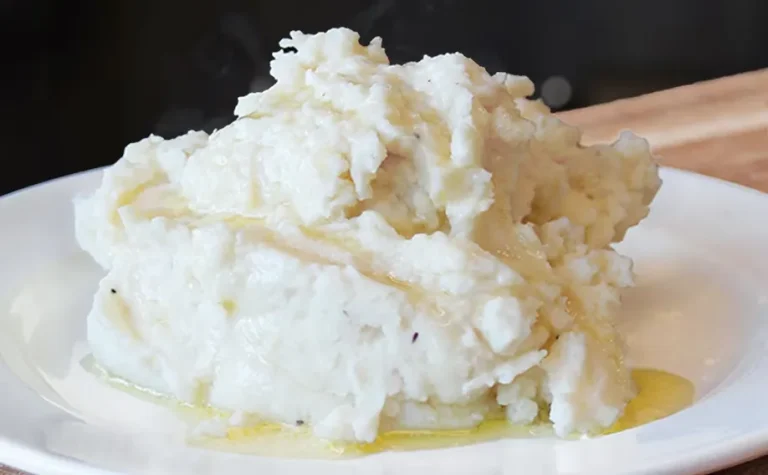
| Mashed Potatoes | 250–350 | 4g | 2g | ⚠️ Higher carb |
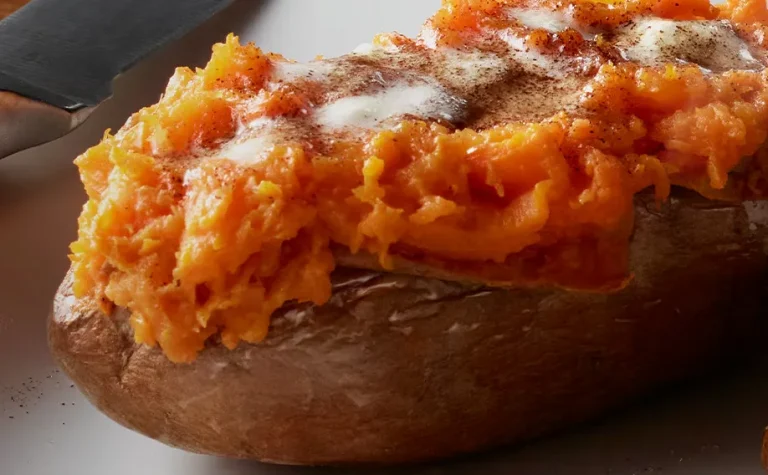
| Plain Baked Potato | 200–280 | 5–7g | 4–6g | ✅ Decent option |
| French Fries | 380–500 | 5g | 4g | ❌ Much higher cal |
| Coleslaw | 250–350 | 1g | 2g | ⚠️ Hidden sugar |
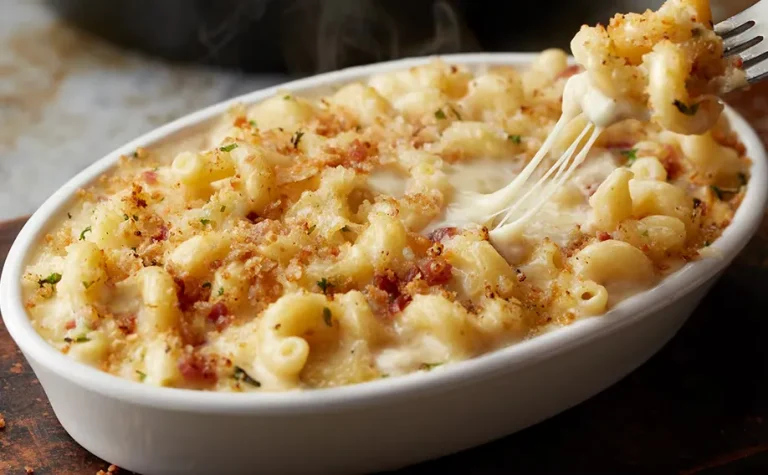
| Mac and Cheese | 450–650 | 14g | 1g | ❌ Calorie-heavy |
Plain steamed broccoli is the lightest cooked side on almost any American restaurant menu, and even buttered it stays under 200 calories at most chains. If health is your priority, it’s almost always the smart pick.
Why People Love Fresh Steamed Broccoli
A few real reasons this side has held a permanent spot on American menus for forty years:
It actually feels good to eat. A big plate of butter-and-cheese sides leaves people sluggish. Steamed broccoli doesn’t. You finish the meal feeling lighter, not heavier.
It works as a meal-balancer. Order a 14-oz ribeye with mashed potatoes and you’ve eaten 1,500 calories before dessert. Swap the potatoes for broccoli and you cut 200+ calories without losing anything from the steak experience.
It’s allergen-friendly. Naturally gluten-free, dairy-free if you ask for no butter, vegan-friendly the same way. Few menu items survive that many edits.
Kids will sometimes eat it. That’s a quiet superpower at family chains. Bright green florets with butter are an easier sell than most adult sides.
It signals choice. People who order steamed broccoli at a steakhouse are making a small statement that they’re not just here to overindulge. That matters socially, even if no one says it out loud.
Best Mains and Drink Pairings
Steamed broccoli is the most flexible side on any American menu. It pairs with almost everything. The question is what brings out its best.
Best mains to pair it with
- Grilled or pan-seared salmon
- Ribeye, sirloin, or filet mignon
- Grilled chicken breast or chicken parmesan
- Pork chops or pork tenderloin
- Baked or grilled white fish (cod, halibut, tilapia)
- Shrimp scampi or grilled shrimp
- Pasta with cream-based sauces (broccoli cuts the richness)
- Roast turkey
Best drinks to order with it
- Wine: Sauvignon Blanc, Pinot Grigio, or unoaked Chardonnay are the natural matches. The grassy notes in Sauvignon Blanc echo the broccoli’s own flavor.
- Beer: A light Pilsner or a wheat beer. Avoid anything too hoppy; IPAs overpower steamed broccoli.
- Cocktails: A gin and tonic with cucumber works well. A Martini if you’ve gone fancy with the main.
- Non-alcoholic: Sparkling water with lemon is the cleanest pairing. Iced green tea also works.
Avoid pairing steamed broccoli with very rich red wines or stouts; the contrast is too sharp, and the broccoli gets lost.
Variations and Popular Restaurant Versions
Almost every American chain has steamed broccoli on the menu, but the styling varies. Here’s a look at what’s actually out there right now:
| Restaurant | Dish Name / Style | Finishing | Avg. Price |
|---|---|---|---|
| Texas Roadhouse | Fresh Steamed Broccoli | Butter, salt | $3.99–$4.99 |
| LongHorn Steakhouse | Steamed Broccoli | Butter, lemon | $4.99–$5.99 |
| Outback Steakhouse | Fresh Steamed Broccoli | Butter, pepper | $4.99–$5.99 |
| Olive Garden | Steamed Broccoli | Olive oil, garlic | $4.99–$5.99 |
| Red Lobster | Fresh Broccoli | Butter, lemon | $3.99–$4.99 |
| Cracker Barrel | Steamed Broccoli | Butter, salt | $3.49–$4.49 |
| Bonefish Grill | Steamed Broccoli | Lemon butter | $5.99–$6.99 |
| The Cheesecake Factory | Fresh Broccoli | Garlic butter | $7.99–$8.99 |
Prices reflect typical 2026 menu pricing in the U.S. and vary by location.
Beyond the chains, these are the styles you’ll see across American menus:
- Classic Buttered Broccoli the default. Steamed and tossed with butter and salt. Universal.
- Lemon Garlic Broccoli Italian-style. Lemon, garlic, olive oil. Popular at Italian-American chains.
- Broccoli Amandine French-style. Tossed with toasted sliced almonds and butter. Older steakhouse classic.
- Parmesan Broccoli finished with shaved or grated parmesan. Gastropub favorite.
- Spicy Garlic Broccoli red pepper flakes added to garlic and oil. Asian-American influence.
- Broccoli with Cheese Sauce, drowning the florets in cheddar cheese sauce. Common at family restaurants and buffets.
- Steamed Broccoli with Hollandaise, fine dining steakhouse upgrade. Heavy and rich.
- Broccolini, a related vegetable (longer stems, smaller florets), often shows up in place of standard broccoli on upscale menus.
How to Tell If Your Steamed Broccoli Is Done Right
Not all steamed broccoli is equal. Here’s a quick checklist for what a properly cooked portion should look and taste like:
- Color: Vibrant, bright green. Olive or gray-green means overcooked.
- Texture: Tender-crisp. Should give to a fork but still have some bite. Mushy = overcooked. Crunchy raw = undercooked.
- Aroma: Mild, slightly grassy. Strong sulfur or cabbage smell means overcooked.
- Temperature: Hot enough to melt butter on contact. Lukewarm broccoli is a sign it’s been sitting.
- Salt level: You should taste the seasoning, not just plain vegetable. If it tastes like nothing, the kitchen skipped salting.
- No standing water: The plate shouldn’t have a puddle. That means it wasn’t drained properly.
If your broccoli fails three or more of these, it’s the kitchen, not the vegetable.
Tips Before Ordering Fresh Steamed Broccoli
A few things worth knowing before you order:
Ask if it’s fresh or frozen. Most chains use fresh, but a few cut corners with frozen during off-peak hours. Fresh has better color and snap.
Ask about the butter. If you’re avoiding dairy, ask for olive oil or plain. Most kitchens will switch without an issue.
Specify “lightly steamed” if you like crunch. Many kitchens default to overcooking to keep customers from complaining about raw broccoli. If you want bite, say so.
Order garlic if you have the option. A garlic butter finish costs the same as plain butter at most places and adds real flavor.
Watch the cheese-sauce versions. Broccoli with cheese sauce can hit 350+ calories. Not bad, but no longer the “healthy” choice.
It’s gluten-free, but ask about cross-contamination. Some kitchens use the same steamer for pasta. If you have celiac, mention it.
Skip the delivery order. Steamed broccoli turns gray and limp within 15 minutes of cooking. It doesn’t survive a delivery bag.
Get a double order as a meal. Two sides of steamed broccoli plus a small grilled chicken or fish = a 400-calorie meal that actually fills you up.
Frequently Asked Questions
Is fresh steamed broccoli healthy?
Yes, it’s one of the healthiest things on any restaurant menu. A plain serving is around 50–70 calories, packs 4–6g of fiber, and delivers more vitamin C than an orange. It’s also a cruciferous vegetable, which means it contains sulforaphane and other antioxidants linked to long-term health benefits.
Is steamed broccoli keto-friendly?
Yes. A cup of steamed broccoli has only about 4g of net carbs, which fits comfortably within a keto diet. Order it with butter or olive oil and skip cheese sauces, which can hide added sugar.
How many calories are in restaurant steamed broccoli?
Plain: 50–70 calories per side. With butter: 130–170. With garlic butter and parmesan: 200–260. With cheese sauce: 300+. Most chains land in the 130–180 range.
Is steamed broccoli gluten-free?
Yes, naturally. Broccoli, butter, salt, garlic, and lemon are all gluten-free. Watch for cross-contamination if the kitchen uses the same steamer or pan for pasta. Ask if you have celiac.
How do restaurants make broccoli taste so much better than what I cook at home?
Three things. They salt the water heavily, they don’t overcook it (3–5 minutes max), and they finish it with butter while it’s still hot. Skip any of those steps at home and you get a flatter, sadder version.
What’s the difference between steamed and boiled broccoli?
Steamed broccoli sits above the water and cooks in vapor, it keeps color, flavor, and nutrients better. Boiled broccoli sits in the water and leaches out vitamins, ending up duller in color and softer in texture. Steaming wins on every measure.
Can I eat the broccoli stem?
Yes. The stem has the same nutrients as the florets and just as much fiber. Restaurants usually trim and peel the tough outer layer, but the inside of the stem is tender and slightly sweeter than the top.
Why does broccoli sometimes smell bad when cooked?
Overcooking. Broccoli contains sulfur compounds that break down and release that strong cabbage-y smell when it’s cooked too long. Properly steamed broccoli (under 5 minutes) doesn’t smell like sulfur.
Is broccolini the same as broccoli?
No, but it’s a relative. Broccolini has longer, thinner stems and smaller florets, with a slightly sweeter flavor. Upscale restaurants often use it instead of standard broccoli for a more elegant presentation.
Can I make steamed broccoli a full meal?
With protein, yes. Two sides of steamed broccoli plus a grilled chicken breast or piece of fish hits 400–500 calories and 35g+ of protein. A lot of fitness-minded diners at steakhouses build their plate exactly this way.
Conclusion
Fresh steamed broccoli is the side dish that doesn’t try to be the star and somehow ends up being the smartest order on the plate. It’s low-calorie, high-fiber, nutrient-packed, and pairs with almost any main an American restaurant serves. When the kitchen takes the time to salt the water, time it right, and finish it with butter or garlic, you get something that holds its own against the heavier sides at half the calorie cost.
If you’re choosing between sides at a steakhouse or chain restaurant, steamed broccoli is the order that earns its place without trying. Get it with garlic butter if it’s offered, ask for it lightly steamed if you like crunch, and eat it before it cools. That’s all it takes.
Related LongHorn Guides
LongHorn Fresh Steamed Asparagus: Calories, Pairings & Guide · LongHorn Great Steak Additions: Toppings, Prices & Guide · LongHorn Mashed Potatoes: Ingredients, Calories & Price