LongHorn Sweet Potato: The Steakhouse Side That Pulls Double Duty
Quick Facts
| Detail | Info |
|---|---|
| Restaurant | LongHorn Steakhouse |
| Parent Company | Darden Restaurants |
| Menu Category | Signature Side Dish |
| Base | Whole baked sweet potato |
| Default Toppings | Cinnamon sugar, whipped butter |
| Optional Add-Ons | Brown sugar, candied pecans, marshmallows |
| Average Calories | ~310 (plain) / ~620 (fully loaded) |
| Typical Price | $4.99 – $6.99 |
| Best Paired With | Renegade Sirloin, Outlaw Ribeye, Flo’s Filet |
| Key Allergens | Dairy (butter), tree nuts (pecans, if added) |
Introduction
Most steakhouse side dishes are forgettable. You order them because you have to fill the empty space on the plate next to the steak, not because you actually want them. The LongHorn sweet potato breaks that pattern. It’s the rare side that people remember after the meal, sometimes more than the entrée.
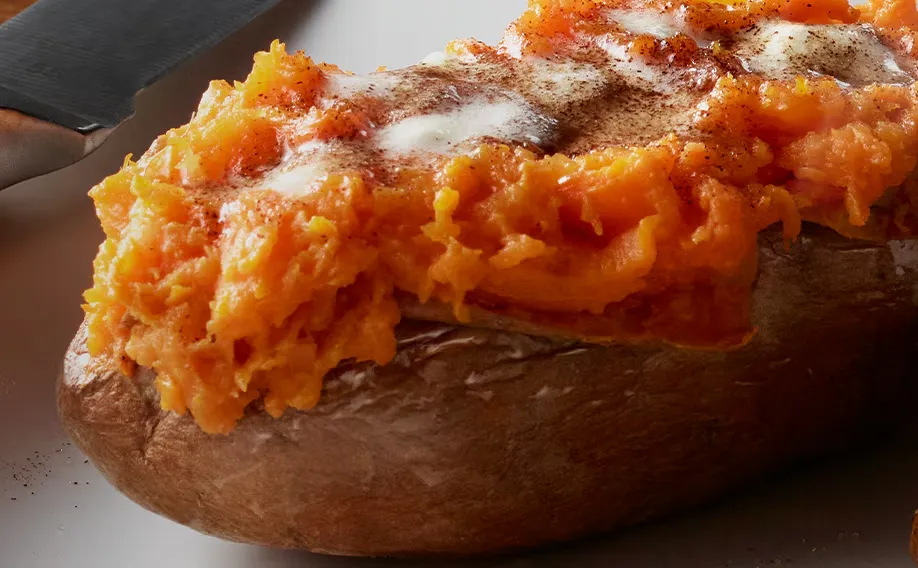
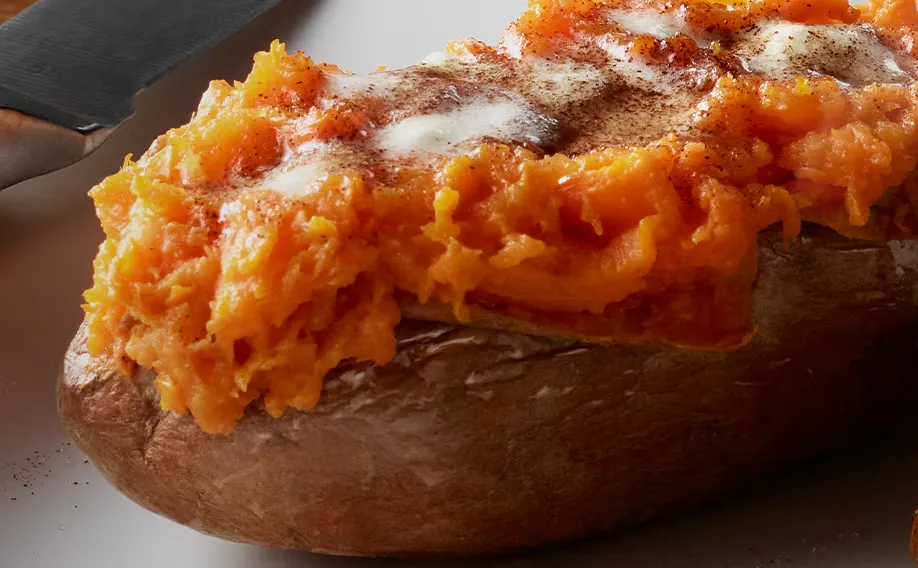
It shows up at the table whole, split down the middle, steaming, with a pat of whipped butter melting into the center and a dusting of cinnamon sugar across the top. That’s the standard build. From there, the kitchen will load it up with anything you ask for, brown sugar, candied pecans, marshmallows, and turn it into something closer to dessert than a vegetable.
This guide walks through what’s actually in the LongHorn sweet potato, how it compares to the regular baked potato, how to order it lighter if you want, and whether it’s worth the price. If you’ve ever stared at the side menu and wondered what to pick, this should answer it.
Key Takeaways
- What it is: A whole baked sweet potato served with cinnamon sugar and whipped butter, with optional loaded toppings.
- Calories: ~310 plain; jumps to ~620 fully loaded with pecans and marshmallows.
- Price: Usually $4.99–$6.99, depending on location and add-ons.
- Best for: Pairing with steak, especially leaner cuts like sirloin or filet.
- Skip if: You’re on a low-sugar plan or watching added sugars closely.
- Pro tip: Order it plain with butter on the side, you control the sweetness and save 200+ calories.
What Is the LongHorn Sweet Potato?
The LongHorn sweet potato is a whole, oven-baked sweet potato served as a signature side dish at LongHorn Steakhouse. It’s slow-baked until the inside turns soft and almost custardy, then split open tableside-style in the kitchen and finished with cinnamon sugar and whipped butter before it hits your table.
Unlike some chain restaurants that serve a small wedge or a scoop of mashed sweet potato, LongHorn gives you the whole tuber usually 10 to 14 ounces. The skin stays on, the inside is fluffy, and the toppings melt into the flesh as it cools. You eat it with a fork, scooping straight from the skin.
There’s a common mix-up worth clearing up. What Americans call “sweet potato” at most restaurants is technically a sweet potato, not a yam. True yams are a different plant entirely, mostly grown in Africa and the Caribbean. LongHorn uses orange-fleshed sweet potatoes the variety most U.S. supermarkets carry, which gives the dish its signature color and natural sweetness.
Main Ingredients in the LongHorn Sweet Potato
The standard build is simple. The loaded version is where things get interesting.
- Whole baked sweet potato. Orange-fleshed, skin-on, baked until fork-tender. The natural sugars caramelize during baking, which is half of why this side tastes so good.
- Cinnamon sugar. Dusted across the top after baking. Adds warmth and a light crunch where it meets the hot flesh.
- Whipped butter. Soft, slightly sweetened, melts on contact. Most locations serve it on the side so you can add as much or as little as you want.
- Brown sugar (optional add-on). Available at most locations for an upcharge. Pools into a glaze as it melts.
- Candied pecans (optional add-on). Crunchy, sweet, and toasted. Adds texture and nutty richness.
- Marshmallows (seasonal/optional). Some locations offer them, especially during the fall and holiday months. Toasted lightly on top.
The plain version is honest enough. The loaded version pushes it firmly into dessert territory, which, depending on your mood, is either a feature or a bug.
Build Your Own: LongHorn Sweet Potato Topping Guide
If you like having control over how sweet, rich, or savory your side ends up, this chart breaks down what each topping adds. Mix and match based on what’s already on your plate.
| Topping | Added Calories | Added Sugar | Flavor Impact |
|---|---|---|---|
| Cinnamon Sugar | +45 | +9 g | Warm, mild sweetness |
| Whipped Butter | +90 | +1 g | Rich, creamy |
| Brown Sugar | +60 | +14 g | Caramel, syrupy |
| Candied Pecans | +110 | +6 g | Crunchy, toasted, nutty |
| Marshmallows | +70 | +10 g | Soft, dessert-like |
| Sour Cream (request) | +60 | 0 g | Tangy, savory swap |
| Salt + Pepper (free) | 0 | 0 | Turns it fully savory |
The best move is to start plain, taste a bite, then add toppings one at a time. Most diners over-load from the start and end up wishing they’d held back.
Taste and Flavor Profile
The first bite is sweet, but not in a sugar-bomb way. The sweet potato itself does most of the work. Slow baking concentrates the natural sugars in the flesh, so even before you add anything, you’re already getting caramel notes and a soft, creamy texture that’s closer to mashed than baked.
The cinnamon sugar lands somewhere between dessert and side dish. There’s enough to taste, not so much that the potato disappears under it. The whipped butter melts into the cracks and adds richness without weight.
If you go loaded, the flavor shifts. Brown sugar turns it syrupy. Pecans add crunch and toast. Marshmallows lean it fully toward sweet potato casserole territory, closer to Thanksgiving than a steakhouse.
It pairs beautifully with steak. The sweetness cuts through fat. The richness of butter and pecan balances the char on a sirloin or ribeye. Even a plain filet, which can sometimes feel one-note on the plate, gets a lift from this side.
Nutritional Information
Here’s where the sweet potato earns its reputation as the “healthier” steakhouse side with caveats. The base is genuinely nutritious. The toppings are where the calories pile up.
| Nutrient | Plain Build | Fully Loaded |
|---|---|---|
| Calories | 310 | 620 |
| Total Fat | 11 g | 28 g |
| Saturated Fat | 6 g | 10 g |
| Carbohydrates | 49 g | 82 g |
| Sugars | 18 g | 42 g |
| Protein | 3 g | 5 g |
| Sodium | 105 mg | 180 mg |
| Fiber | 6 g | 8 g |
| Vitamin A | 380% DV | 380% DV |
| Vitamin C | 35% DV | 35% DV |
| Potassium | 18% DV | 19% DV |
A few things worth pointing out.
The sweet potato itself is a real source of beta carotene, vitamin A, and potassium. One serving delivers nearly four times the FDA daily value for vitamin A, which is harder to find in most steakhouse sides. Fiber lands at 6 grams plain, which beats almost every other carbohydrate side on the menu.
Sodium is the surprise win. At around 105 mg plain, the sweet potato is one of the lowest-sodium sides at LongHorn useful if you’re already getting a salty entrée.
The trade-off is sugar. Plain build comes in at 18 grams of sugar, most of which is natural fruit sugar from the sweet potato itself, with the cinnamon sugar adding the rest. Fully loaded, you’re looking at 42 grams more than a can of soda. If you’re tracking added sugars, this matters.
Why Sweet Potatoes Are Worth Eating
Setting LongHorn aside for a second, the sweet potato itself is one of the most nutrient-dense vegetables in the American diet. The orange flesh comes from beta carotene, which the body converts to vitamin A and uses to support vision, skin, and immune function. The fiber content supports digestive health and slows sugar absorption, which is why sweet potatoes have a lower glycemic index than regular white potatoes despite tasting sweeter. They also deliver vitamin C, vitamin B6, potassium, and natural antioxidants. That nutritional base is what makes the LongHorn sweet potato work as a side, even when you load it up, you’re still starting from a genuinely healthy food.
Sweet Potato vs Baked Potato at LongHorn: Which Should You Order?
The two most popular sides at LongHorn are the sweet potato and the loaded baked potato. They’re not interchangeable; they serve different cravings and different meals. Here’s the side-by-side:
| Factor | Sweet Potato (Plain) | Loaded Baked Potato |
|---|---|---|
| Calories | 310 | 580 |
| Carbs | 49 g | 62 g |
| Sugar | 18 g (mostly natural) | 4 g |
| Fiber | 6 g | 7 g |
| Sodium | 105 mg | 850 mg |
| Saturated Fat | 6 g | 18 g |
| Vitamin A | 380% DV | 2% DV |
| Best Paired With | Ribeye, sirloin, chicken | Lean steaks, seafood |
| Best For | Vitamin-A boost, lower sodium | Savory cravings, traditional pairing |
Verdict: Sweet potato wins on nutrition, significantly lower sodium, less saturated fat, more vitamin A and fiber. Loaded baked potato wins if you’re craving savory and salty, especially next to a lean steak. If you can’t decide, the sweet potato is the safer pick for most diners.
Allergen and Dietary Info
| Diet / Allergen | Compatible? | Notes |
|---|---|---|
| Gluten-Free | ✅ | Standard build contains no wheat or gluten |
| Vegetarian | ✅ | No meat or animal byproducts beyond butter |
| Vegan | ⚠️ Modify | Skip whipped butter; ask for plain with cinnamon |
| Dairy-Free | ⚠️ Modify | Remove whipped butter |
| Nut-Free | ✅ | Standard build is nut-free; skip the pecan add-on |
| Keto | ❌ | High carb count; not keto-compatible |
| Low-Sugar | ⚠️ Modify | Order plain, no cinnamon sugar, butter on the side |
| Diabetic-Friendly | ⚠️ Modify | Plain build has a moderate glycemic load; pair with protein |
Sweet potatoes are naturally gluten-free, so this is one of the safer steakhouse sides for celiac diners, but confirm with your server, since shared kitchen equipment can introduce cross-contact.
Why People Love the LongHorn Sweet Potato
Three reasons come up over and over when regulars talk about this side.
First, it’s actually filling. A whole baked sweet potato is dense food. Fiber, complex carbs, and natural fats from the butter mean you’re not picking at it like a garnish, you’re eating a real portion. It rounds out a meal the way a side should.
Second, it works for almost every diet at the table. Gluten-free guests can eat it. Vegetarians can eat it. People watching saturated fat can order it plain. Kids love it because it tastes like dessert. That kind of cross-table compatibility is rare for steakhouse sides.
Third, it just tastes good. There’s no clever trick here. A properly baked sweet potato is one of the best things you can eat. LongHorn’s version doesn’t reinvent it, they just don’t mess it up. Hot, soft, sweet, slightly crispy skin if you want it. That’s enough.
It’s also one of the few sides on the menu that doubles as dessert. If you skip the actual dessert course, a loaded sweet potato fills the role without ordering an extra plate.
What Other Diners Say
Across review platforms and steakhouse community discussions, three opinions about the LongHorn sweet potato come up consistently:
- Portion size gets the most praise. Repeat diners frequently mention being surprised by how large the potato is compared to other steakhouse sweet potatoes. Many report saving half for the next day.
- The plain version divides opinion. Some diners wish the cinnamon sugar was already piled on top; others appreciate the option to skip it entirely. Asking for toppings on the side keeps both camps happy.
- Loaded toppings are inconsistent across locations. Availability of marshmallows and candied pecans varies by store. Diners who specifically want a loaded build sometimes call ahead to confirm.
What to Pair It With
The LongHorn sweet potato pairs naturally with red meat. The sweetness offsets the savory char and fat of a steak, which is exactly why this combination has worked for decades at American steakhouses.
Best entrée pairings
- Renegade Sirloin. Lean, well-seasoned, and direct. The sweet potato fills out the plate without competing for flavor.
- Outlaw Ribeye. Rich and fatty. The sweetness of the potato cuts through the marbling.
- Flo’s Filet. Mild and tender. The sweet potato adds the flavor punch the filet sometimes lacks.
- Parmesan Crusted Chicken. Cheesy and rich. The sweet potato keeps the plate from feeling one-dimensional.
Drinks that work
- Bourbon or whiskey on the rocks. The caramel notes echo the sweet potato’s natural sweetness.
- Cabernet Sauvignon. Bold red that holds up to both steak and sweet sides.
- Sweet tea. Southern-style sweetness pairs naturally.
- Light beer. A clean lager resets the palate between bites of sweet and savory.
Skip the heavy IPAs and sugary cocktails. Both fight the sweet potato instead of complementing it.
Variations and Popular Ways to Order It
The base sweet potato never changes much, but how you finish it can transform the dish entirely. Here are the most common orders.
The classic
Cinnamon sugar, whipped butter. The default and arguably the best version. The sweet potato’s flavor still leads.
The fully loaded
Cinnamon sugar, butter, brown sugar, candied pecans, and marshmallows. Dessert-level sweetness, dessert-level calories. Worth ordering at least once.
The savory swap
Skip the cinnamon sugar entirely. Ask for butter, salt, and black pepper. Some regulars also request a side of sour cream; most locations will accommodate. This version pairs especially well with ribeye.
The lightened version
Plain sweet potato, butter on the side, hold the cinnamon sugar. Drops the calorie count to around 240 and the sugar count to about 11 grams (mostly natural). Good for diabetic-friendly or low-sugar plans.
The kids’ version
Some servers will bring it pre-loaded with marshmallows for younger diners. Worth asking if you’ve got picky eaters at the table.
Seasonal Availability: When to Order It
The base sweet potato is available year-round at all LongHorn Steakhouse locations across the United States. A few add-ons rotate seasonally:
- Marshmallow topping is most commonly available October through January, lining up with fall and holiday menus.
- Candied pecan supply can run low in late summer. Call ahead if you specifically want them on top.
- Some locations add a limited-time pumpkin spice cinnamon sugar variant in November, though this isn’t system-wide.
Lunch service is the best time to order it if you want it freshly baked. Sweet potatoes hold well in the warmer, but the texture is at its peak within the first hour after baking.
How It Compares to Other Steakhouse Sweet Potatoes
If you eat at chain steakhouses regularly, you’ve probably had at least two or three versions of this side. Here’s how LongHorn’s stacks up:
| Sweet Potato | Restaurant | Calories (Loaded) | Price | Standout Feature |
|---|---|---|---|---|
| Loaded Sweet Potato | LongHorn Steakhouse | ~620 | $4.99–$6.99 | Whole potato, customizable toppings |
| Sweet Potato with Honey Cinnamon Butter | Texas Roadhouse | ~580 | $4.49 | House honey cinnamon butter |
| Sweet Potato | Outback Steakhouse | ~540 | $5.99 | Brown sugar and butter standard |
| Sweet Potato Casserole | Cracker Barrel | ~480 | $3.99 | Casserole-style, not whole |
LongHorn lands in the middle on calories but tops the list for portion size and topping flexibility. Texas Roadhouse wins on price and arguably on the butter; their honey cinnamon butter is a cult favorite. Cracker Barrel wins for budget but isn’t really the same dish, since casserole is its own format.
If you want the most freedom to build your own version, LongHorn is the pick.
Tips Before Ordering
A few small decisions can change this side significantly.
Ask for toppings on the side. This is the single best move. You get to decide how sweet, how buttery, how loaded you want it. Pre-loaded versions often arrive over-sweet for adult palates.
Skip the cinnamon sugar if you’re pairing with a fatty steak. The plain sweet potato actually works better next to a ribeye than the sugared version. The natural sweetness is enough.
Don’t waste the skin. It crisps up during baking and holds a lot of the flavor. Skin-on sweet potato also delivers most of the fiber. Eating around it is a missed opportunity.
Order it as your dessert. A loaded sweet potato with extra marshmallows is genuinely a dessert. If you skip the actual dessert menu and have this with coffee at the end of the meal, no one will complain.
Takeout holds up well. Unlike fried sides, the sweet potato travels fine. The texture stays close to fresh even after 30 minutes in the box. Just ask for the butter packed separately.
For diners who order steak regularly, this side also helps balance heavier cuts like the Outlaw Ribeye or rounds out a leaner plate with the Renegade Sirloin.
Common Mistakes When Ordering
A few small ordering errors come up enough to be worth flagging:
- Letting it sit too long. Sweet potato firms up as it cools and the toppings turn waxy. Eat it within ten minutes of arrival for best texture.
- Over-loading from the start. Add toppings gradually. Fully loaded from the first bite often overwhelms the natural flavor.
- Skipping the skin. That’s where most of the fiber lives, and the crisped skin is one of the best parts of a properly baked sweet potato.
- Pairing with sweet sauces. Don’t order it alongside a BBQ-glazed entrée. Sweet on sweet fights instead of balancing.
- Forgetting to ask about cinnamon sugar levels. Some locations apply heavily by default request lighter if you want the potato flavor to lead.
Taking It Home: How to Store and Reheat
If you don’t finish your sweet potato, the portion is large enough that this happens often it stores and reheats better than almost any other steakhouse side.
Storage: Wrap in foil or store in an airtight container. Refrigerate within two hours of leaving the restaurant. The leftover lasts 3 to 4 days in the fridge.
Best reheat method: Oven at 350°F for 12 to 15 minutes, still wrapped in foil. The texture stays close to fresh, and the skin re-crisps slightly.
Avoid: Microwaving uncovered. The skin toughens and the flesh dries out. If you must microwave, cover with a damp paper towel and heat in 30-second bursts.
Pro tip: Cold leftover sweet potato makes a surprisingly good breakfast topped with Greek yogurt and a drizzle of maple syrup. It’s also good chopped into a hash with eggs.
Is It Worth Ordering? The Verdict
Yes, easily one of the best sides at LongHorn Steakhouse. The plain version is a genuinely good, nutritionally solid side that adds real flavor to any steak entrée. The loaded version is borderline dessert and worth ordering at least once for the experience. At under $7 in most locations, it’s also one of the better-value sides on the menu.
If you’re picking one side to go with your steak and want something that feels like a treat without being heavy in the wrong way, this is the order.
Frequently Asked Questions
What comes on the LongHorn sweet potato?
The standard build comes with cinnamon sugar and whipped butter. You can add brown sugar, candied pecans, or marshmallows at most locations for a small upcharge.
How many calories are in the LongHorn sweet potato?
The plain version with cinnamon sugar and butter is about 310 calories. Fully loaded with pecans, brown sugar, and marshmallows, it climbs to around 620 calories.
How much does the LongHorn sweet potato cost?
Pricing varies by location, but most LongHorn restaurants charge between $4.99 and $6.99. Loaded add-ons may push the price slightly higher.
Is the LongHorn sweet potato healthy?
The plain version is one of the more nutritious sides on the menu. It delivers high vitamin A, decent fiber, and low sodium. The fully loaded version is closer to a dessert in calories and sugar.
Can I order the LongHorn sweet potato without sugar?
Yes. Ask for it plain, no cinnamon sugar, butter on the side. Most servers are happy to accommodate. This version is suitable for low-sugar and diabetic-friendly meal plans.
Is the LongHorn sweet potato gluten-free?
Yes, the standard build is naturally gluten-free. Always confirm with your server about shared kitchen equipment if you have celiac disease or a severe gluten sensitivity.
Does the LongHorn sweet potato have marshmallows?
Marshmallows aren’t part of the default build but can be added at most locations, especially during fall and holiday seasons. Just ask your server when ordering.
Is it a sweet potato or a yam at LongHorn?
It’s a true sweet potato, orange-fleshed, baked whole. True yams are a different plant entirely, rarely served in U.S. restaurants. The terms are commonly mixed up, but LongHorn uses sweet potatoes.
Can I get the LongHorn sweet potato to go?
Yes. It travels well the texture holds up better than most sides during takeout or delivery. Ask for butter and toppings packed separately to keep everything fresh.
Does the sweet potato come with the steak entrée or cost extra?
It’s offered as a side dish choice with most steak entrées at no additional charge for the base build. Premium toppings like candied pecans may cost extra.
How do I reheat a LongHorn sweet potato leftover?
Wrap in foil and reheat in a 350°F oven for 12 to 15 minutes. Avoid uncovered microwaving, as it dries out the flesh and toughens the skin.
Is sweet potato better than a baked potato for diabetics?
Sweet potato has a lower glycemic index than white baked potato, meaning it raises blood sugar more slowly. Plain build, paired with protein, is generally a smarter pick for blood sugar control but always check with your doctor or dietitian.
Conclusion
The LongHorn sweet potato is one of those quiet menu items that earns more loyalty than it gets credit for. It’s a side dish that can hold its own next to a ribeye or stand in as dessert. It’s nutritious when ordered plain, indulgent when loaded, and priced fairly either way.
If you’re new to LongHorn Steakhouse and trying to figure out which side to order, this one’s an easy pick. It pairs with everything, costs less than most premium sides, and delivers more than most diners expect from a baked vegetable.
Next time you sit down at LongHorn, skip the fries and try this instead. You’ll understand why so many regulars never order anything else.
Related LongHorn Guides
LongHorn Fresh Steamed Asparagus: Calories, Pairings & Guide · LongHorn Great Steak Additions: Toppings, Prices & Guide · LongHorn Mashed Potatoes: Ingredients, Calories & Price