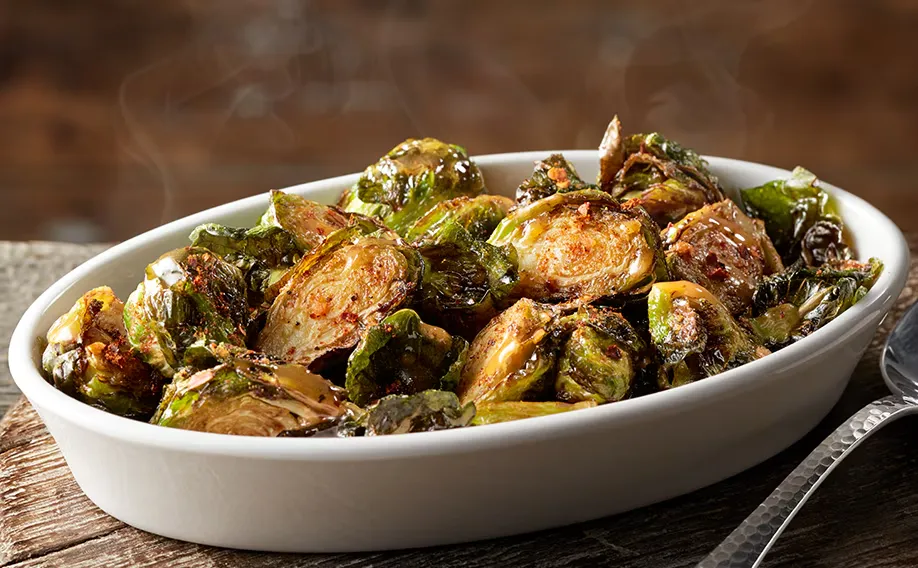
Crispy Brussels Sprouts: The Appetizer That Made a Hated Vegetable Famous
Introduction
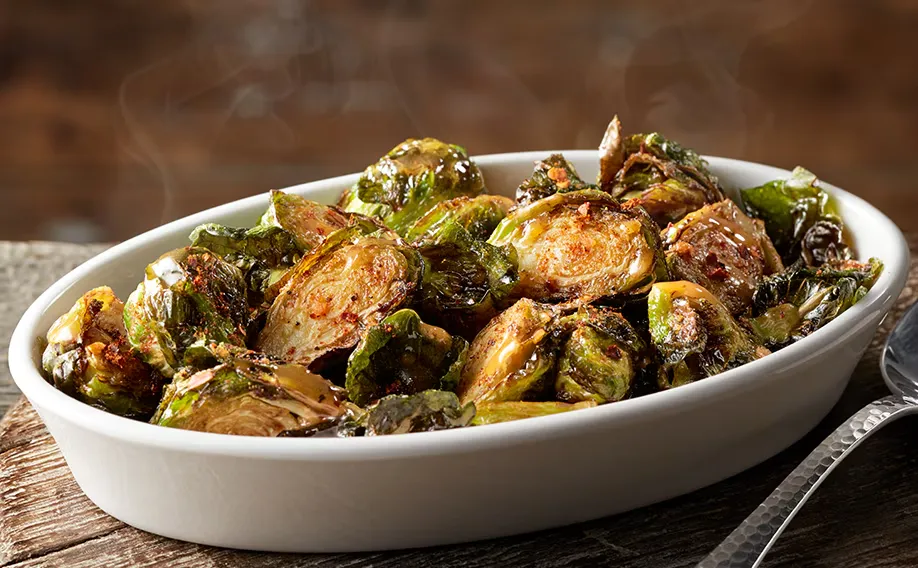
Crispy Brussels sprouts are the reason a lot of people stopped hating Brussels sprouts. If your only memory of them is the soggy, gray, boiled version from a holiday plate, the restaurant version is honestly a different food. The leaves shatter when you bite them, the inside stays tender, and the whole thing gets tossed in something with a kick, balsamic glaze, honey-sriracha, bacon fat, or a sharp parmesan finish.
In this guide, you’ll learn what’s actually inside a typical order, how they taste, what they cost in calories, what they run at major U.S. chains, and what to pair them with. By the end, you’ll know whether the version on the menu in front of you is worth the $12 to $16 most American restaurants are charging.
Quick Takeaway: Crispy Brussels Sprouts at a Glance
What they are: Halved Brussels sprouts flash-fried or roasted at high heat until the leaves shatter on contact.
How they taste: Nutty, slightly sweet, savory, not bitter when cooked right.
Average calories: 280–650 per restaurant portion, depending on method and glaze.
Most common glaze: Balsamic reduction with honey.
Best pairing: Steak, fried chicken, IPA beer, or Pinot Noir.
Average U.S. restaurant price: $11–$16 per plate.
Peak season: September through February.
What Are Crispy Brussels Sprouts?
Crispy Brussels sprouts are small green vegetables from the cabbage family, cooked at very high heat until the outside turns deep brown and crunchy. Restaurants pull this off three ways: flash-frying in 350°F oil, roasting on a screaming-hot sheet pan at 425°F or higher, or charring them in a wood-fired oven. Most chain kitchens fry them because the crust comes out more even and the timing is faster.
After cooking, they get tossed in a sauce or glaze. Balsamic reduction is the most common one in the United States. Honey-sriracha, maple-bacon, parmesan-garlic, and Asian-style with soy and chili round out the menu. Some kitchens finish the plate with bacon bits, pancetta crumbles, candied pecans, shaved parmesan, or pomegranate seeds.
They first showed up on American gastropub menus around 2010, hit critical mass by 2015, and never left. Today you’ll find them at Yard House, The Cheesecake Factory, BJ’s Restaurant & Brewhouse, Bonefish Grill, Texas Roadhouse, Outback Steakhouse, and pretty much every farm-to-table spot in the country.
Main Ingredients in Crispy Brussels Sprouts
The base recipe is short. The toppings are where each restaurant builds its own personality.
Core ingredients
- Fresh Brussels sprouts, halved or quartered
- Neutral frying oil (canola, peanut, or rice bran)
- Olive oil for the roasted versions
- Kosher salt and cracked black pepper
Common add-ins and finishers
- Balsamic vinegar or thick balsamic glaze
- Honey or pure maple syrup
- Bacon, pancetta, or guanciale
- Garlic, shallots, and scallions
- Parmesan, pecorino romano, or feta
- Crushed red pepper or chili flakes
- Fresh lemon juice and zest
- Fish sauce (in Vietnamese and Thai-inspired versions)
- Soy sauce, gochujang, or sambal oelek
- Candied pecans, walnuts, or marcona almonds
- Pomegranate seeds or dried cranberries
A kitchen that takes the dish seriously will sear the cut side flat against the fryer basket or pan, so it caramelizes. That is the Maillard reaction in action, which is half the dish. Skip it, and you’ve just got soft sprouts in sauce.
Fried vs. Roasted vs. Air-Fried Brussels Sprouts: What’s the Difference?
Same vegetable, three very different results. Here’s how they actually compare.
| Method | Texture | Calories (per cup) | Crispiness | Prep Time | Best For |
|---|---|---|---|---|---|
| Deep-Fried | Shatter-crisp leaves, tender core | 220–320 | 10/10 | 4–6 min | Restaurant-style appetizers |
| Oven-Roasted | Crispy edges, soft center | 140–200 | 7/10 | 25–35 min | Home cooking, healthier versions |
| Air-Fried | Crisp outside, slightly chewy | 130–180 | 8/10 | 12–18 min | Home cooks who want fried texture without the oil |
Deep-frying wins on texture but loses on calories. Roasting is the healthiest path but takes the longest. Air-frying lands in the middle and is probably why home Brussels sprouts have gotten so much better in the last five years.
Taste and Flavor Profile
The first surprise for new eaters is how little they taste like the Brussels sprouts they grew up avoiding. High heat does two things at once. It burns off the sulfur compounds and glucosinolates that give boiled sprouts that bitter, cabbage-y smell, and it caramelizes the natural sugars hiding in the leaves. What you get instead is nutty, slightly sweet, and savory, closer to roasted cauliflower or charred broccolini than to anything your grandma served at Thanksgiving.
The texture is the whole point. Outer leaves shatter on the bite. The inside stays soft but never mushy. There’s a real chew to the core. When the kitchen nails it, every bite gives you three textures at the same time.
The sauce decides the personality
- Balsamic → tangy with a sweet finish
- Honey-sriracha → sweet-hot with a slow burn
- Bacon-finished → smoky, rich, salty
- Parmesan-garlic → sharp, savory, no sweetness
- Asian-style → salty, funky, bright (fish sauce + lime)
- Buffalo → tangy, hot, vinegar-forward
If your plate tastes bitter and that’s the only thing you taste, the kitchen pulled them too early. Properly cooked Brussels sprouts are not supposed to be bitter at all.
Nutritional Information
The numbers swing hard based on whether they’re fried or roasted and what sauce ends up on top. A standard restaurant appetizer portion runs around 200 to 250 grams, or about a cup and a half. Here’s what that usually looks like:
| Nutrient | Roasted Version | Fried + Glazed Version |
|---|---|---|
| Calories | 280–380 | 450–650 |
| Total Fat | 18–24g | 28–40g |
| Saturated Fat | 3–5g | 5–9g |
| Carbohydrates | 22–28g | 35–50g |
| Sugar | 8–14g | 15–25g |
| Fiber | 6–9g | 6–8g |
| Protein | 8–11g | 9–14g |
| Sodium | 600–900mg | 900–1400mg |
The Brussels sprout itself is one of the most nutrient-dense vegetables you can put on a plate. It’s loaded with vitamin C, vitamin K, folate, and fiber, plus antioxidants like kaempferol. It’s also a cruciferous vegetable, which means it shares health benefits with broccoli, cauliflower, kale, and cabbage. The cooking oil and the glaze are what push the calorie numbers up. A honey-balsamic glaze adds 100 to 150 calories from sugar alone. Bacon adds fat and sodium fast.
If you’re watching calories, ask the server whether they’re roasted or fried and ask for the sauce on the side. Most kitchens handle that without any pushback.
How They Compare to Other Popular Appetizers
If you’re trying to pick a “healthier” appetizer at a restaurant, here’s how crispy Brussels sprouts actually stack up against the usual suspects:
| Appetizer | Calories | Protein | Fiber | Verdict |
|---|---|---|---|---|
| Crispy Brussels Sprouts (roasted) | 280–380 | 8–11g | 6–9g | ✅ Best choice nutritionally |
| Crispy Brussels Sprouts (fried + glazed) | 450–650 | 9–14g | 6–8g | ⚠️ Decent, watch the sugar |
| Mozzarella Sticks | 550–750 | 22g | 1g | ❌ Empty carbs and fat |
| Loaded Fries | 800–1200 | 15g | 4g | ❌ Calorie bomb |
| Fried Pickles | 380–500 | 4g | 2g | ⚠️ Low protein, low fiber |
| Spinach Artichoke Dip | 700–950 | 14g | 3g | ❌ Heavy on cream and cheese |
| Chicken Wings (6 pc) | 600–800 | 40g | 0g | ⚠️ Protein-heavy, no fiber |
Even the fried version of Brussels sprouts beats most appetizers on fiber. Roasted versions are flat-out one of the best things you can order off an appetizer menu.
Why People Love Crispy Brussels Sprouts
A few real reasons this dish became one of the most-ordered appetizers in American restaurants:
They feel like junk food without actually being junk food. You get the crunch and the salt-fat-sugar hit of fries or fried pickles, but the base is a vegetable. People feel okay ordering them as a “healthy” appetizer even when they’re fried in beef tallow.
The texture is genuinely fun to eat. Most vegetables don’t shatter. These do. That’s a sensation you don’t get from a salad or steamed broccoli.
They share well. A plate sits in the middle of the table and disappears in five minutes. Nobody fights over the last one because everyone already grabbed three.
They convert skeptics. A lot of people order them once on a dare, finish the plate, and order them every time after. That word-of-mouth is why every American gastropub kept them on the menu through three food trend cycles.
Best Side Dishes and Drink Pairings
Crispy Brussels sprouts are usually an appetizer or shared side, so the pairing question is really about what you’re building a meal around.
Best mains to pair them with
- Steak, especially ribeye or filet, where the bitterness cuts the richness
- Burgers and smashburgers
- Roast chicken or fried chicken
- Pork chops and pork belly
- Salmon, especially miso-glazed or blackened
- Pasta with cream-based sauces (the sprouts add contrast)
Best drinks to order with them
- Beer: A hoppy IPA or a Belgian-style wheat. Both stand up to the sweet-savory glaze.
- Wine: Pinot Noir for balsamic versions. Riesling for honey-sriracha. Champagne or Prosecco if you’re being fancy, the bubbles cut the oil.
- Cocktails: Anything with bourbon and a citrus element. An Old Fashioned works. So does a Paloma.
Non-alcoholic
Sparkling water with lemon, or a ginger beer. The fizz matters.
Avoid pairing them with something heavy and creamy as your main if the sprouts already come with a rich glaze. The whole plate ends up tasting like one note.
Variations and Popular Restaurant Versions
Almost every chain puts their own spin on these. Here’s a look at what’s actually on U.S. restaurant menus right now:
| Restaurant | Dish Name / Style | Glaze or Topping | Avg. Price |
|---|---|---|---|
| Yard House | Crispy Brussels Sprouts | Honey-sriracha + bacon | $13–$14 |
| The Cheesecake Factory | Crispy Brussels Sprouts | Brown butter + balsamic | $12–$13 |
| BJ’s Restaurant & Brewhouse | Crispy Brussels Sprouts | Sweet chili glaze | $11–$12 |
| Bonefish Grill | Brussels Sprouts | Lemon butter + bacon | $9–$11 |
| Texas Roadhouse | Brussels Sprouts | Garlic + parmesan | $5–$7 (side) |
| Outback Steakhouse | Crispy Brussels Sprouts | Honey + bacon | $9–$10 |
| Local Gastropubs | Varies | Bagna cauda, miso, gochujang | $13–$16 |
Prices reflect typical 2026 menu pricing in the U.S. and vary by location.
Beyond the chain versions, you’ll see these styles everywhere:
- Balsamic Brussels Sprouts the default. Tangy-sweet, sometimes finished with parmesan.
- Honey Sriracha Brussels Sprouts sweet and spicy. Heat builds slowly.
- Bang Bang Brussels Sprouts is a newer trend, tossed in creamy sweet chili sauce.
- Asian-Style Brussels Sprouts: fish sauce, lime, chili, mint, peanuts. Momofuku put this on the map.
- Buffalo Brussels Sprouts buffalo sauce with blue cheese or ranch.
- Loaded Brussels Sprouts are topped like loaded fries with cheese, bacon, and sour cream.
How to Tell If Your Brussels Sprouts Are Cooked Right
Restaurants vary wildly on this dish. Here’s a quick checklist of what a properly cooked plate looks like:
- Color: Deep golden brown to mahogany on the cut side. Some black flecks are fine.
- Texture: Outer leaves should shatter audibly. Inside should be tender, not mushy.
- Bitterness: None. If they taste bitter, they’re undercooked.
- Char level: Dark brown edges are good. Solid black means burnt send it back.
- Sauce-to-sprout ratio: Glaze should coat, not pool. A puddle of sauce at the bottom means too much.
- Temperature: Hot enough that the crisp holds for the first five minutes. If they arrive warm, the crisp is already gone.
If your plate fails three or more of these, it’s a fair thing to send back or skip ordering again.
Tips Before Ordering Crispy Brussels Sprouts
A few things worth knowing before the plate hits the table:
Ask if they’re fried or roasted. The texture and calorie count are very different.
Ask about the sauce. If you don’t like sweet, skip balsamic and honey-sriracha. Go for parmesan-garlic or savory bacon instead.
Check for bacon if you don’t eat pork. Most restaurants don’t list it clearly. Bonefish, Yard House, Outback, and most gastropubs use bacon or pancetta in their default version.
Watch the portion size. Some restaurants serve a small ramekin for $12. Others serve a plate that feeds four.
They don’t reheat well. Order what you’ll eat at the table.
Order them in season. Brussels sprouts peak from September through February in the U.S. Restaurants source better ones in fall and winter. Summer Brussels sprouts often taste flat.
Sodium adds up fast. Between the seasoning, sauce, and bacon, an appetizer plate can hit 1,400mg of sodium.
Frequently Asked Questions
Are crispy Brussels sprouts actually healthy?
The vegetable itself is one of the most nutrient-dense things you can eat. A roasted version with light seasoning is genuinely healthy. A fried version glazed in honey and topped with bacon is closer to a fried side dish than a vegetable. Healthy-ish, depending on how it’s made.
Are crispy Brussels sprouts keto-friendly?
Roasted ones with olive oil, salt, and parmesan are keto-friendly, with about 8g net carbs per cup. Anything with honey, balsamic glaze, or sweet chili sauce is not. Ask for them plain or with garlic-parmesan only if you’re tracking carbs.
Are they good for weight loss?
Roasted Brussels sprouts are high in fiber and low in calories, which makes them genuinely useful for weight loss. Fried, glazed versions do not have the sugar and oil cancel out most of the benefit.
Why do restaurant Brussels sprouts taste so much better than the ones I make at home?
Heat. Most home ovens don’t get hot enough and most home cooks don’t use enough oil. Restaurants fry them in 350°F+ oil or roast them on a screaming-hot sheet pan with plenty of fat. An air fryer is the easiest way to get close at home.
Are crispy Brussels sprouts vegetarian or vegan?
Sometimes. The base is plant-based, but a lot of restaurants add bacon, pancetta, parmesan, fish sauce, or honey. Always ask.
Are they gluten-free?
Usually yes, but not always. Some places dust them with flour before frying. Some soy-based sauces contain wheat. Ask the kitchen if you have celiac.
How many calories are in a restaurant order?
A roasted appetizer portion runs around 280–380 calories. A fried, glazed, bacon-topped version can hit 600+ calories.
Why do they taste bitter sometimes?
Undercooking. The sulfur compounds and glucosinolates that taste bitter break down with high heat. If your order tastes bitter, the kitchen pulled them too early.
Conclusion
Crispy Brussels sprouts went from a side nobody wanted to one of the most-ordered appetizers in American restaurants in about a decade. The reason is simple: when they’re cooked right, they hit every craving at once. Crunch, salt, sweet, savory, a little char, a little fat. Plus, you get to feel slightly virtuous about ordering a vegetable.
If you’ve never tried the restaurant version, order them. If your only memory of Brussels sprouts is the boiled holiday version, you owe them a second chance. Just ask whether they’re fried or roasted, check for bacon if that matters, and eat them hot. Cold Brussels sprouts are a different and worse food.
Related LongHorn Guides
LongHorn Fresh Steamed Asparagus: Calories, Pairings & Guide · LongHorn Great Steak Additions: Toppings, Prices & Guide · LongHorn Mashed Potatoes: Ingredients, Calories & Price